


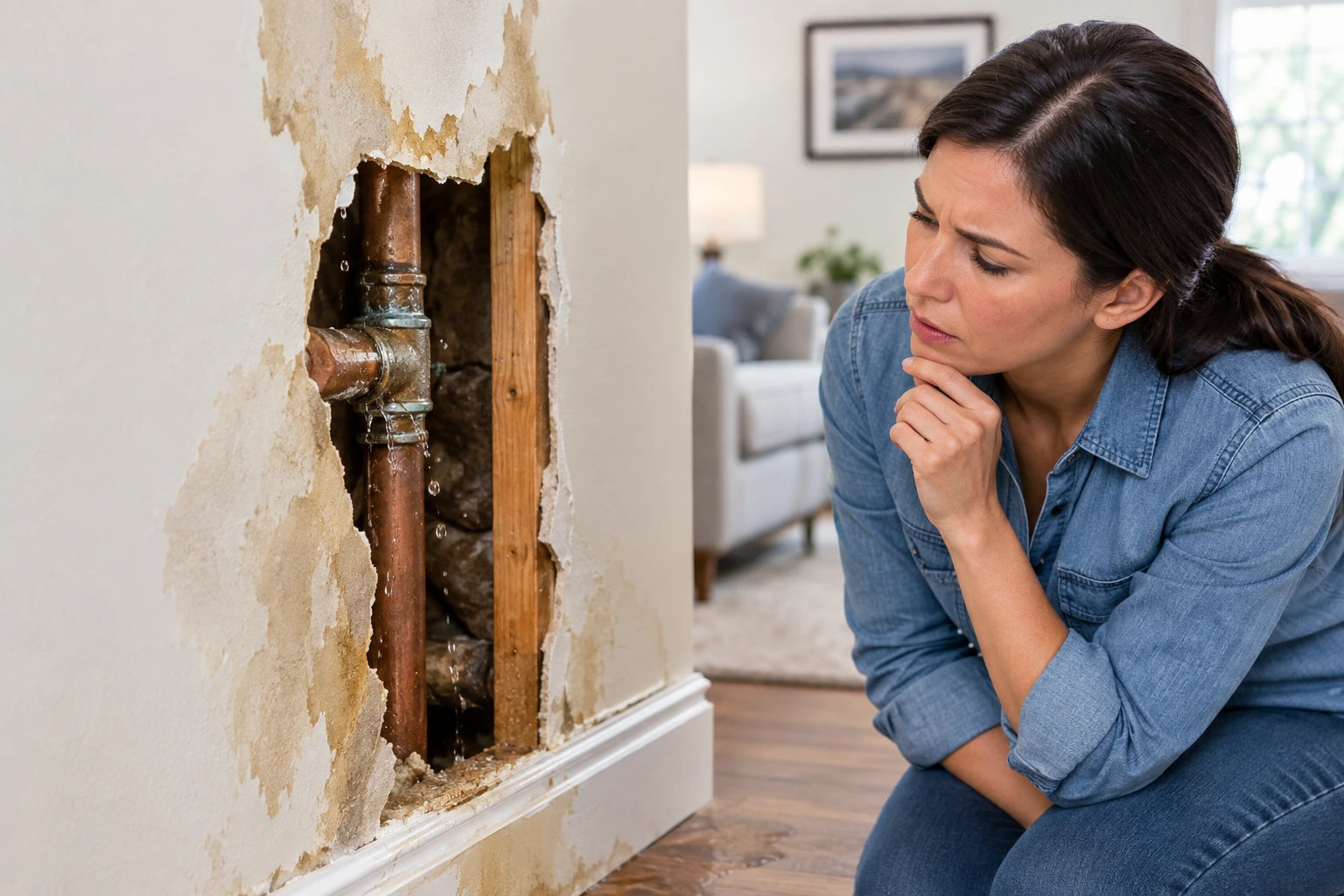
A water leak doesn’t always announce itself with a dripping faucet or a puddle on the floor. Some of the most troublesome leaks develop behind walls, beneath flooring, inside cabinets, or along water lines where you can’t see them.
By the time water becomes visible, the leak may have been present for quite a while.
Knowing the early signs of a hidden water leak can help you investigate the problem before moisture causes more damage. Some clues are obvious once you know what to look for. Others, such as an unexplained water bill or a musty smell, are surprisingly easy to dismiss.
Why Hidden Water Leaks Can Be Difficult to Spot
Your home’s plumbing system runs through areas you rarely see. Supply lines may travel behind drywall, beneath floors, through ceilings, and into kitchens, bathrooms, laundry areas, and mechanical spaces.
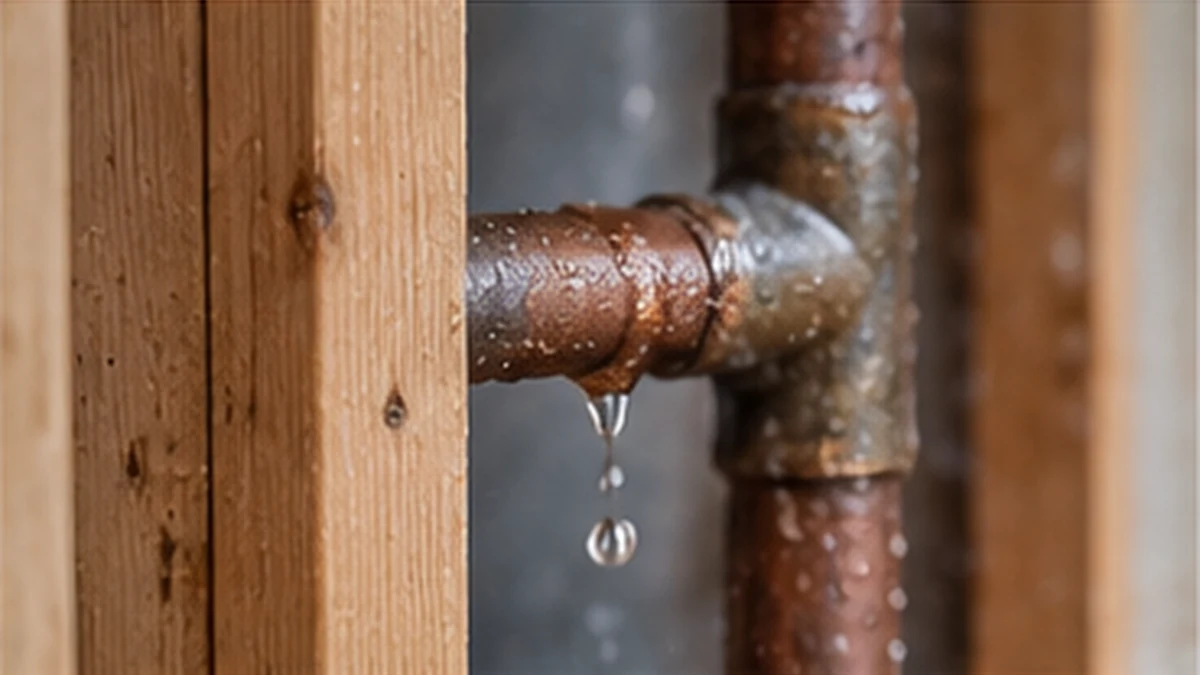
A small leak inside one of these concealed areas may release water without immediately producing a visible puddle.
The location also affects how the problem appears. Water leaking behind an upstairs bathroom wall, for example, might first show up as discoloration on the ceiling below rather than inside the bathroom itself.
This is why finding the source isn’t always as simple as looking directly above a wet spot. If you suspect a concealed plumbing problem, professional leak detection services can help determine where the water is coming from before unnecessary walls or flooring are opened.
1. Your Water Bill Suddenly Goes Up
An unexplained increase in water usage is one of the most useful clues that something may be leaking.
Compare recent bills with your normal household usage. If your routines haven’t changed but you’re consistently using more water, don’t automatically assume the higher bill is normal.
A leaking toilet, underground water line, fixture connection, or concealed pipe can continue using water throughout the day.
Before calling a plumber, check obvious sources first. Look at faucets, toilets, outdoor spigots, appliances, and other accessible plumbing. If nothing explains the increased consumption, the problem may be somewhere you can’t easily inspect.
2. You Hear Water When Nothing Is Running
A quiet house can sometimes reveal a plumbing problem.
Turn off faucets, showers, dishwashers, washing machines, and other water-using appliances. Then listen carefully.
Do you still hear dripping, hissing, or the sound of water moving through the plumbing?
Some normal household systems can produce water-related noises, so sound alone doesn’t confirm a leak. Persistent water sounds when no fixtures or appliances are operating, however, deserve further investigation.
If you’re unsure whether the sound is coming from a fixture, supply line, or another part of the system, a plumber can inspect the home’s plumbing system and repair potential problem areas.
3. Walls or Ceilings Develop Stains
Water stains often appear as yellowish, brown, or darker patches on drywall and ceilings.
The stain may start small and gradually expand. Paint might also bubble, peel, or lose adhesion as moisture accumulates beneath the surface.
Don’t assume the pipe is directly behind the stain.
Water can travel along pipes, framing, drywall, and other building materials before becoming visible. A ceiling stain beneath a bathroom, for example, could originate from a supply connection, fixture, drain, or another nearby plumbing component.
The visible stain tells you moisture is present. It doesn’t necessarily tell you where the leak began.
4. Paint or Wallpaper Starts Bubbling and Peeling
Paint and wallpaper can provide early clues about what’s happening behind a wall.
Excess moisture may cause paint to blister or peel. Wallpaper can loosen along seams, bubble, or pull away from the wall.
Humidity can sometimes produce similar symptoms, particularly in bathrooms. The difference is often persistence and location. If one concentrated area continues deteriorating while surrounding surfaces remain normal, moisture inside the wall may be contributing to the problem.
Pay particular attention when the affected area is close to plumbing fixtures, bathrooms, kitchens, laundry rooms, or water lines.
5. You Notice a Persistent Musty Smell
A musty odor that doesn’t disappear after cleaning or ventilation can indicate moisture somewhere nearby.
Hidden leaks can create damp spaces beneath cabinets, behind walls, or under flooring. Because these areas receive little airflow, they may stay wet longer than exposed surfaces.
The smell doesn’t automatically mean you have a plumbing leak. Condensation, roof leaks, poor ventilation, and other moisture problems can create similar odors.
Still, a persistent musty smell near plumbing shouldn’t be ignored, especially when it appears alongside staining, warped materials, or other signs of water intrusion.
6. Flooring Begins to Warp, Buckle, or Feel Different
Flooring can change when moisture reaches it from below.
Depending on the flooring material and the source of the water, you might notice:
- Boards beginning to warp or buckle
- Flooring separating at seams
- Tiles becoming loose
- Unusual discoloration
- Soft or spongy areas
- Sections of flooring that feel different underfoot
A leak around a kitchen sink, dishwasher, refrigerator water connection, toilet, bathtub, or shower may spread beneath flooring before becoming obvious from above.
Kitchen-related problems may require inspection of the sink, fixtures, drains, and connected water lines. Foukas Plumbing & Heating provides kitchen plumbing services for these types of household plumbing issues.
7. Cabinets or Vanities Feel Damp
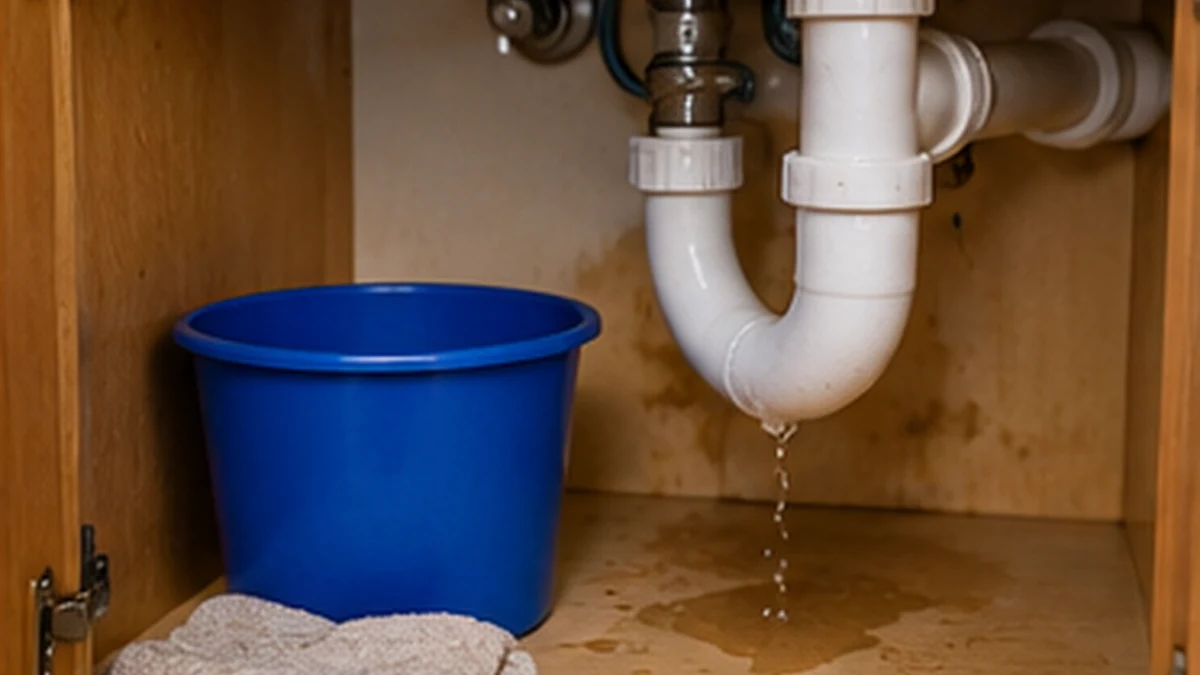
The spaces beneath sinks are easy to overlook.
Every so often, remove stored items and inspect the cabinet itself. Look around supply lines, shutoff valves, drains, garbage disposals, and fixture connections.
Signs of trouble can include dampness, swelling, staining, peeling material, or a musty smell.
A very slow leak may not create enough water to form a noticeable puddle. Instead, the cabinet material gradually absorbs moisture.
Bathrooms deserve the same attention. Toilets, faucets, sinks, showers, tubs, and their connections create several possible leak points. If the problem appears to involve these fixtures, bathroom plumbing services may be the appropriate place to start.
8. Your Water Meter Moves When You’re Not Using Water
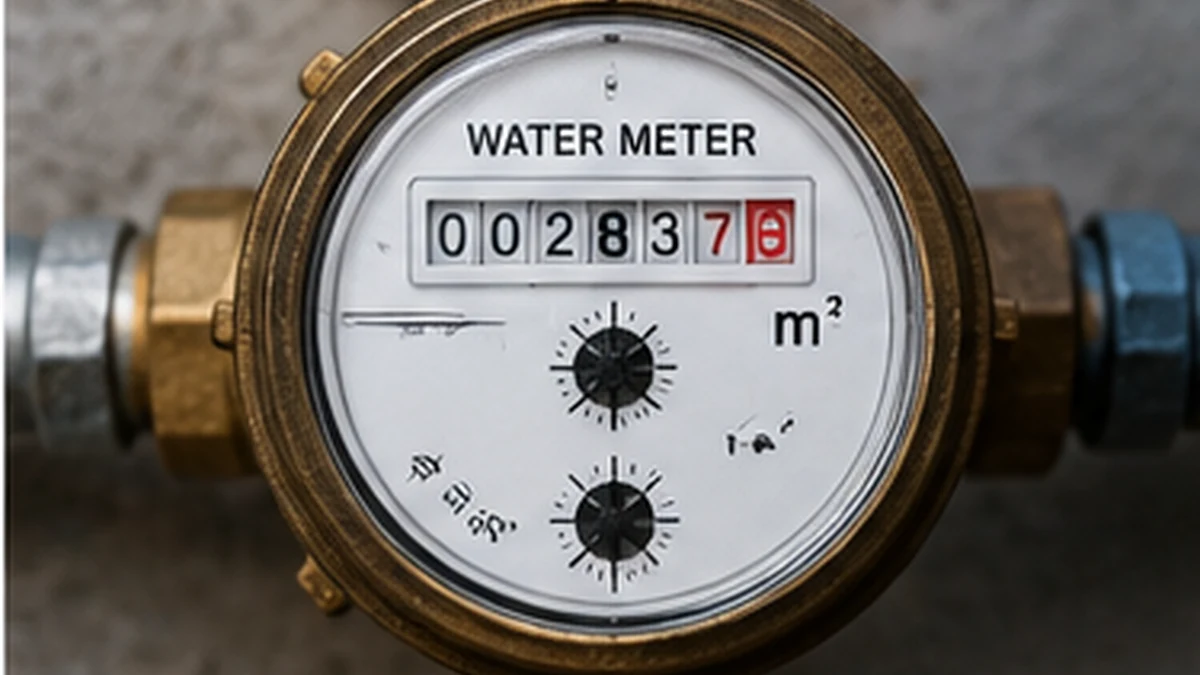
Your water meter can help determine whether water is moving through the home’s plumbing when you don’t expect it to be.
Make sure faucets and water-using appliances are off and that no one is intentionally using water. Check the meter, wait for a period without water use, then check it again.
If the meter indicates continued usage, there may be water flowing somewhere in the system.
This doesn’t identify the source by itself. Toilets, irrigation systems, appliances, fixtures, and other connected systems should also be considered. But it gives you a useful reason to investigate further.
9. Water Pressure Changes Without an Obvious Reason
A noticeable change in water pressure can sometimes accompany plumbing problems, particularly when an issue affects a supply line.
Pressure changes have several possible causes, so low pressure shouldn’t automatically be diagnosed as a leak. Fixture buildup, valves, municipal supply conditions, and other plumbing issues can produce similar symptoms.
If the pressure change is sudden, affects multiple fixtures, or appears alongside other leak symptoms, have the system checked.
Problems involving the main or branch water supply may require water line services rather than a simple fixture repair.
10. You Find Damp Areas With No Obvious Source
A wet spot that keeps returning is worth investigating.
Perhaps the floor beside a wall feels damp, the bottom of a cabinet is repeatedly wet, or moisture appears in an area where nothing should be spilling.
Dry the area completely and monitor it. If the moisture returns without an obvious explanation, water may be entering from a concealed source.
Avoid repeatedly drying the area while ignoring the cause. The visible moisture is a symptom. Finding where the water originates is what resolves the underlying problem.
11. Mold or Mildew Keeps Returning in the Same Area
Bathrooms and other humid areas can naturally develop mildew when ventilation is poor. Recurring growth in an unusual location, however, may point to a persistent moisture source.
Cleaning the surface may temporarily remove what you can see, but it won’t resolve moisture coming from behind a wall, beneath a cabinet, or under flooring.
The key question is why that area keeps getting wet.
If recurring moisture appears close to plumbing, identifying and repairing the water source should be part of addressing the problem.
12. Your Water Heater Area Is Unexpectedly Wet
Not every unexplained puddle comes from a pipe inside a wall.
If water appears around your water heater, inspect the surrounding area carefully. Moisture may be associated with plumbing connections, valves, the unit itself, or another nearby source.
Water heater problems require their own diagnosis because the correct repair depends on where the water originates and the condition of the equipment.
If the moisture appears to be associated with the unit, professional water heater repair can help determine whether repair or another course of action is appropriate.
Where Hidden Water Leaks Commonly Develop
A hidden leak can occur anywhere water moves through your home, but some locations deserve closer attention.
Behind Bathroom Walls
Bathrooms contain numerous plumbing connections in a relatively small space. Sink supply lines, toilets, shower valves, tubs, drains, and fixture connections can all become potential sources of moisture.
A leak inside a bathroom wall may first show up as peeling paint, loose flooring, staining in an adjoining room, or moisture on the ceiling below.
Under Kitchen Sinks and Around Appliances
Kitchen plumbing includes faucets, drains, garbage disposals, dishwasher connections, refrigerator water lines, and shutoff valves.
Small leaks in these areas can remain unnoticed because cabinets and appliances conceal the plumbing.
Checking underneath your sink and around water-connected appliances occasionally can help you notice moisture before it spreads.
Along Main and Branch Water Lines
Water lines distribute water throughout the house. A damaged connection or pipe section can allow water to escape inside walls, ceilings, crawl spaces, or other concealed areas.
If several fixtures are affected or signs of moisture appear far from an obvious fixture, the water supply lines may need to be inspected.
Around Toilets, Tubs, and Showers
Not every bathroom leak comes from a pressurized water pipe. Water may escape through connections, drains, seals, or damaged plumbing around fixtures.
The visible location of the moisture can provide clues, but a proper inspection is usually needed to distinguish a supply leak from a drainage or fixture problem.
How to Check for a Possible Hidden Water Leak
Homeowners can perform a few simple checks before scheduling plumbing service.
Check Your Water Meter
Start by making sure no one is using water.
Turn off faucets and showers. Make sure your dishwasher and washing machine aren’t running. Stop intentional outdoor water use as well.
Take note of your water meter reading. Wait while keeping all water usage off, then check the meter again.
A change may suggest that water is continuing to move through the system.
Remember, the meter can’t tell you where the water is going. A running toilet or another fixture can also cause usage, so visible plumbing should be checked first.
Inspect Accessible Plumbing
Look underneath sinks, around toilets, beside the water heater, near washing machine connections, and around appliances connected to water.
Use a flashlight where necessary.
You’re looking for more than puddles. Damp surfaces, mineral deposits, staining, corrosion, swelling, or deteriorated cabinet material can also suggest a slow plumbing problem.
Compare Your Water Usage
Reviewing several water bills can help you recognize unusual patterns.
A single high bill could have an innocent explanation. More guests in the home, outdoor watering, or another change in routine can all increase usage.
Repeated unexplained increases are more meaningful, particularly when combined with other warning signs.
Watch the Same Area Over Time
If you notice a suspicious stain or damp area, document it.
Take a photo, dry the area if possible, and check it again later. A stain that grows or moisture that repeatedly returns provides useful information when diagnosing the source.
Why Finding the Source Matters More Than Fixing the Visible Damage
A common mistake is treating what can be seen without determining why it happened.
Painting over a ceiling stain may improve its appearance. Replacing swollen cabinet material can make a vanity look better. Drying wet flooring may remove the immediate moisture.
None of those actions repair a leaking pipe.
The leak itself has to be identified and corrected before cosmetic repairs make sense.
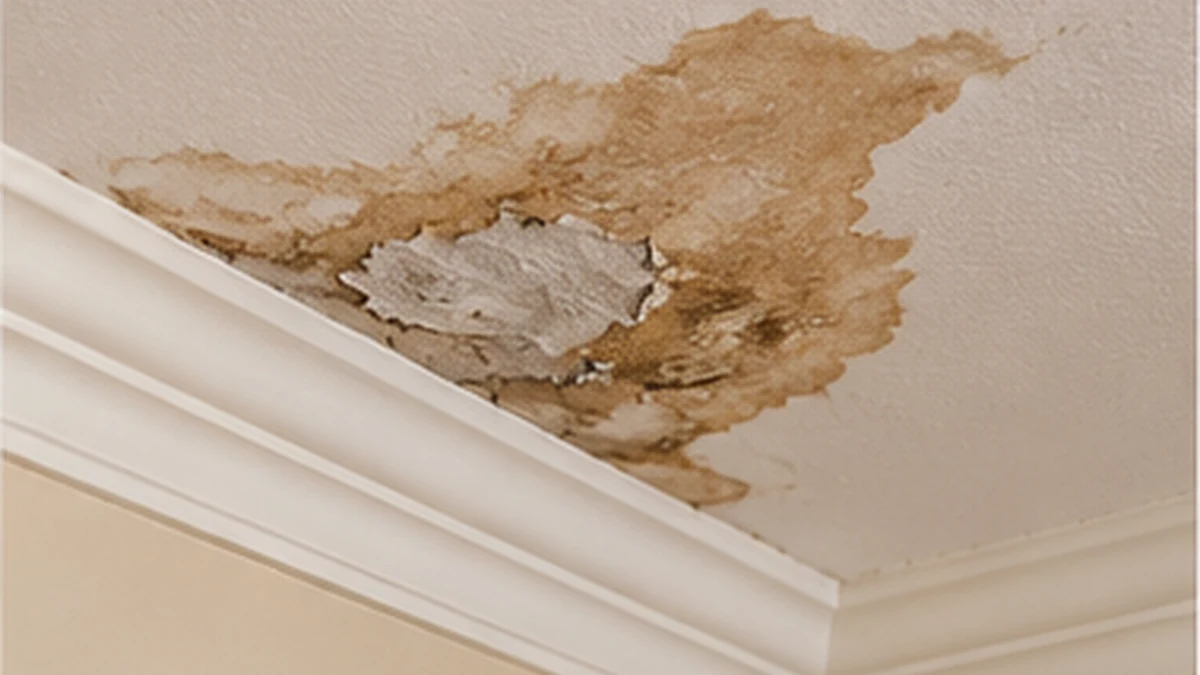
Imagine a small pipe connection leaking behind a wall. Water eventually stains the drywall, so the wall is repainted. A few weeks later, the stain returns because the pipe was never repaired.
The same principle applies throughout the home. Find the source first, stop the water, allow affected areas to dry properly, and then address any damaged finishes or materials.
For broader household plumbing issues, homeowners can also review Foukas Plumbing & Heating’s residential plumbing services to understand the types of problems that may require professional attention.
When a Hidden Leak Becomes a Plumbing Emergency
Not every suspected leak requires emergency service. A minor drip beneath a sink that can be controlled with a local shutoff valve is very different from water actively flowing through a ceiling.
Consider the situation more urgent if:
- Water is rapidly spreading
- A ceiling is sagging or holding water
- Water is entering electrical areas
- A pipe appears to have burst
- You cannot stop the water
- Multiple rooms are being affected
- The leak is creating immediate property damage
If it’s safe to do so, shutting off the appropriate water supply can help limit additional water flow while professional help is arranged.
For urgent plumbing situations, Foukas Plumbing & Heating offers emergency plumbing services.
How Professional Leak Detection Works
Finding a concealed leak doesn’t necessarily mean opening large sections of walls or flooring.
A plumber typically starts by gathering evidence.
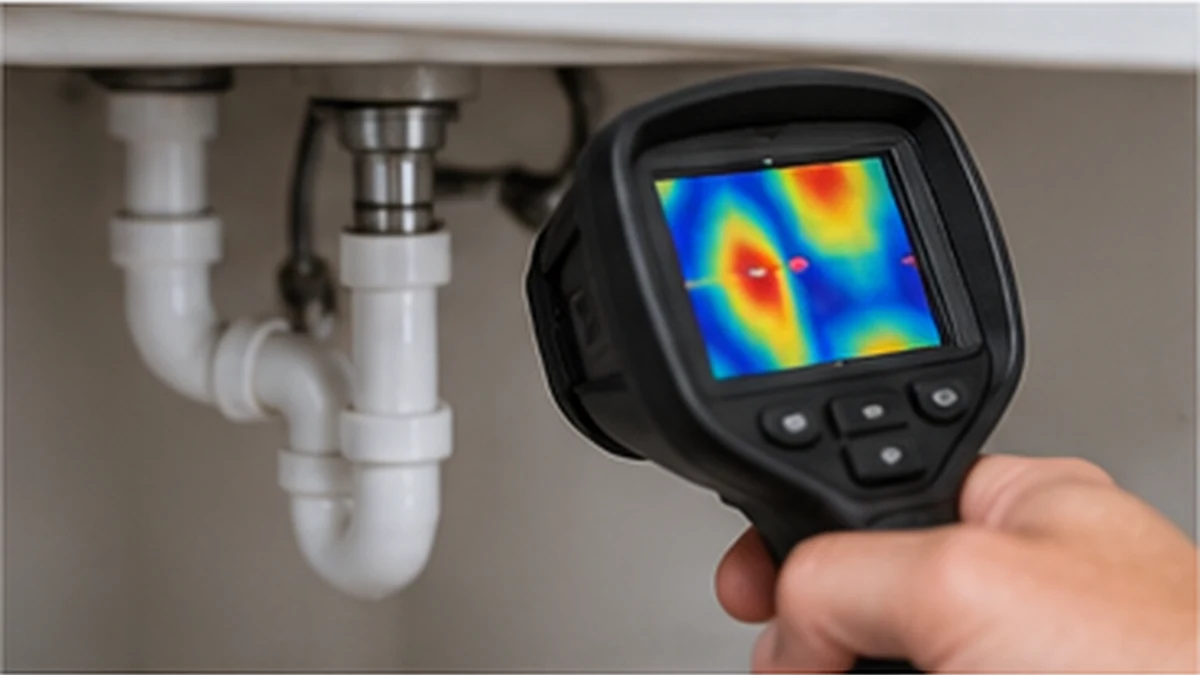
Where is the moisture appearing? Which fixtures are nearby? Is the water meter showing unexplained usage? Has pressure changed? Is the issue constant or intermittent?
The answers help narrow the search.
The plumber may inspect accessible plumbing, fixtures, valves, supply lines, drains, water heaters, and surrounding materials before determining which area requires closer investigation.
Different leaks require different diagnostic approaches. A toilet leak isn’t investigated exactly like a concealed water line problem, and a drain leak behaves differently from a pressurized supply pipe.
The purpose of professional leak detection is to locate the likely source as accurately as possible before repair work begins.
What Happens If You Ignore a Small Leak?
Small plumbing leaks can be deceptive because the amount of water visible at any one time may seem insignificant.
The problem is repetition.
A slow leak may continue every day. Materials surrounding the pipe can remain damp, and water may gradually spread beyond the original location.
Possible consequences can include damaged drywall, deteriorated cabinets, warped flooring, damaged finishes, and the need for more extensive repairs around the plumbing problem.
A leak can also waste water even when the escaping water isn’t visible.
This is why recurring moisture deserves attention even when the affected area seems minor.
Can You Fix a Hidden Leak Yourself?
It depends on where the leak is located and what caused it.
An accessible loose connection beneath a sink may be straightforward to identify. A pipe leaking behind finished drywall is a different situation.
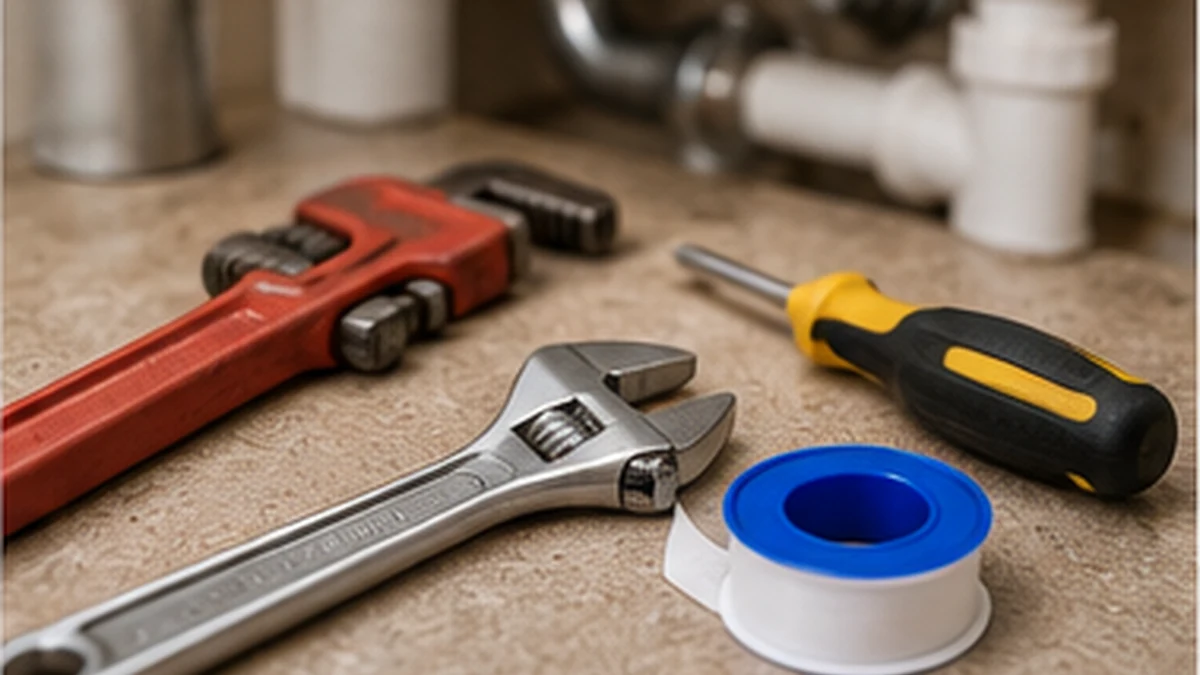
Before attempting repairs, consider:
- Whether you know the actual source of the leak
- Whether the pipe or fitting is accessible
- Whether shutting off the water stops the problem
- Whether walls or flooring would need to be opened
- Whether multiple plumbing components could be involved
- Whether water has reached electrical systems or structural materials
Guessing can create additional work.
If you’re uncertain about the source, professional diagnosis is usually more useful than replacing parts one at a time.
Foukas Plumbing & Heating’s general plumbing services cover common residential plumbing concerns when the problem extends beyond a simple fixture adjustment.
Reducing the Risk of Future Hidden Leaks
You can’t prevent every plumbing failure, but paying attention to your home’s plumbing can help you notice problems sooner.
Periodically inspect visible plumbing connections and the spaces beneath sinks.
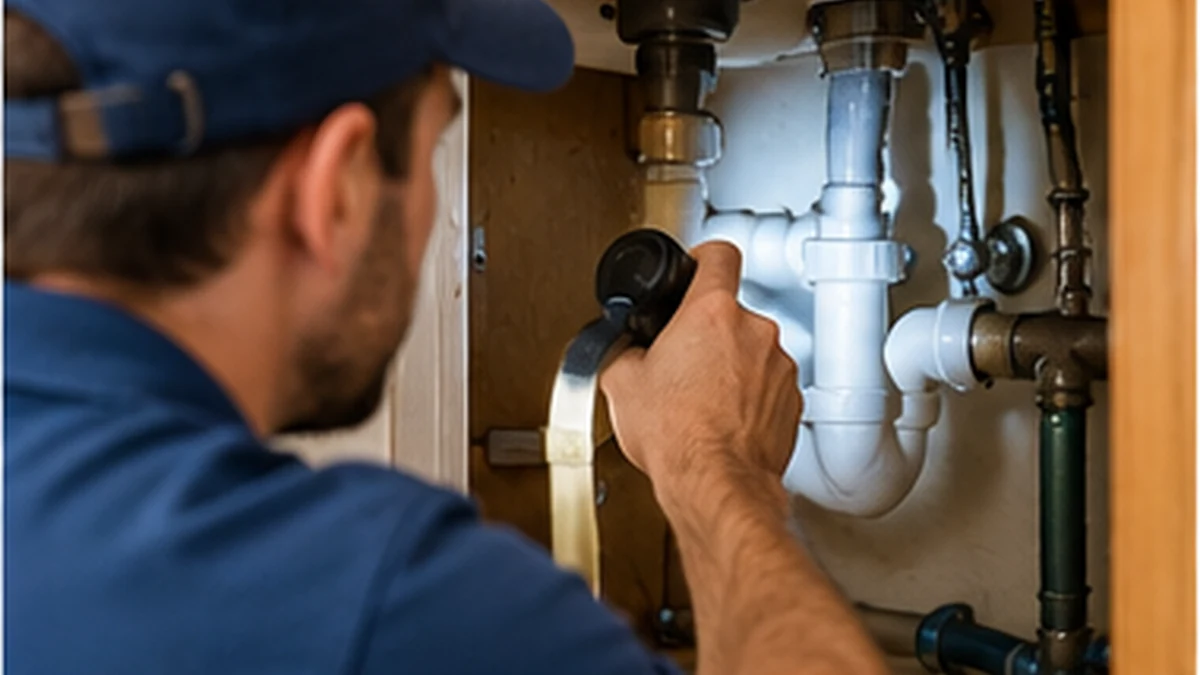
Look around toilets, water heaters, washing machines, refrigerators with water connections, dishwashers, and other fixtures that use water.
Don’t ignore small changes such as:
- A cabinet that suddenly feels damp
- A stain that slowly grows
- A recurring musty smell
- Water pressure that changes unexpectedly
- Flooring that begins lifting
- Unexplained water usage
- Repeated moisture around the same fixture
It also helps to know where your home’s main water shutoff valve is located. If a serious leak develops, being able to stop the water quickly can make a major difference in how much water enters the home.
For homeowners who want a better understanding of common plumbing systems and maintenance concerns, the home plumbing services guide provides additional information about everyday household plumbing.
When to Call a Plumber for a Suspected Hidden Leak
You don’t need to wait until water is pouring through the ceiling.
A plumbing inspection makes sense when you have several warning signs, when moisture keeps returning, or when you’ve ruled out obvious fixtures and still can’t explain the problem.
Professional help is particularly useful when:
- You suspect water behind a wall or ceiling
- Your meter shows unexplained water usage
- Water stains continue growing
- Flooring is becoming damaged
- You hear water without knowing its source
- Water pressure has changed unexpectedly
- The leak isn’t accessible
- You’re unsure which plumbing component is responsible
The sooner the actual source is identified, the sooner you can make an informed decision about the repair.
If you suspect a concealed water leak in your home, contact Foukas Plumbing & Heating to have the plumbing problem evaluated.
Frequently Asked Questions
How do I know if water is leaking behind a wall?
Common warning signs include discoloration, peeling paint, bubbling wallpaper, damp drywall, musty odors, and recurring moisture.
You may also hear dripping or flowing water near the wall when fixtures aren’t being used.
These signs can have other causes, so the leak location should be confirmed before opening the wall.
Can a hidden water leak increase my water bill?
Yes. If the leak involves a water supply line or fixture that continuously uses water, your household water consumption may increase.
Compare several billing periods and consider whether anything else changed in your household before assuming a leak is responsible.
Can a water meter detect a hidden leak?
A meter can show that water is being used when you believe everything is turned off.
It cannot identify the exact location or cause.
If the meter continues registering usage, check visible fixtures first. If no obvious source is found, the plumbing system may need further inspection.
Why does my wall feel damp but I can’t find a leak?
Moisture can come from plumbing, condensation, exterior water intrusion, roofing issues, or other sources.
The location and timing of the dampness can help narrow down the cause, but visible moisture alone doesn’t prove a plumbing leak.
Are hidden water leaks always obvious?
No. Some leaks remain concealed for a long time because water is absorbed by surrounding materials or travels away from the original source.
A high water bill, musty odor, small stain, or unusual meter activity may appear before visible water does.
Should I open the wall myself if I suspect a leak?
Usually, it’s better to identify the likely source first.
Opening drywall in the wrong area creates unnecessary repair work and may still leave the leak undiscovered.
A plumber can inspect the plumbing and narrow down the location before deciding whether access is required.
Pay Attention to Small Changes Around Your Home
Hidden water leaks rarely look dramatic in the beginning.
A small stain, an unexplained water bill, damp flooring, a strange sound, or a musty cabinet may be the first indication that something isn’t right.
None of these signs proves that you have a hidden leak by itself. What matters is the pattern. When moisture keeps returning or several symptoms appear together, investigating the plumbing becomes worthwhile.
Finding the actual source early gives you more control over what happens next. Instead of reacting after water becomes obvious, you can identify the problem, repair the affected plumbing, and address surrounding damage before it spreads further.
If you’ve noticed signs of a possible leak, Foukas Plumbing & Heating can inspect the problem and help determine the appropriate next step.