


Introduction
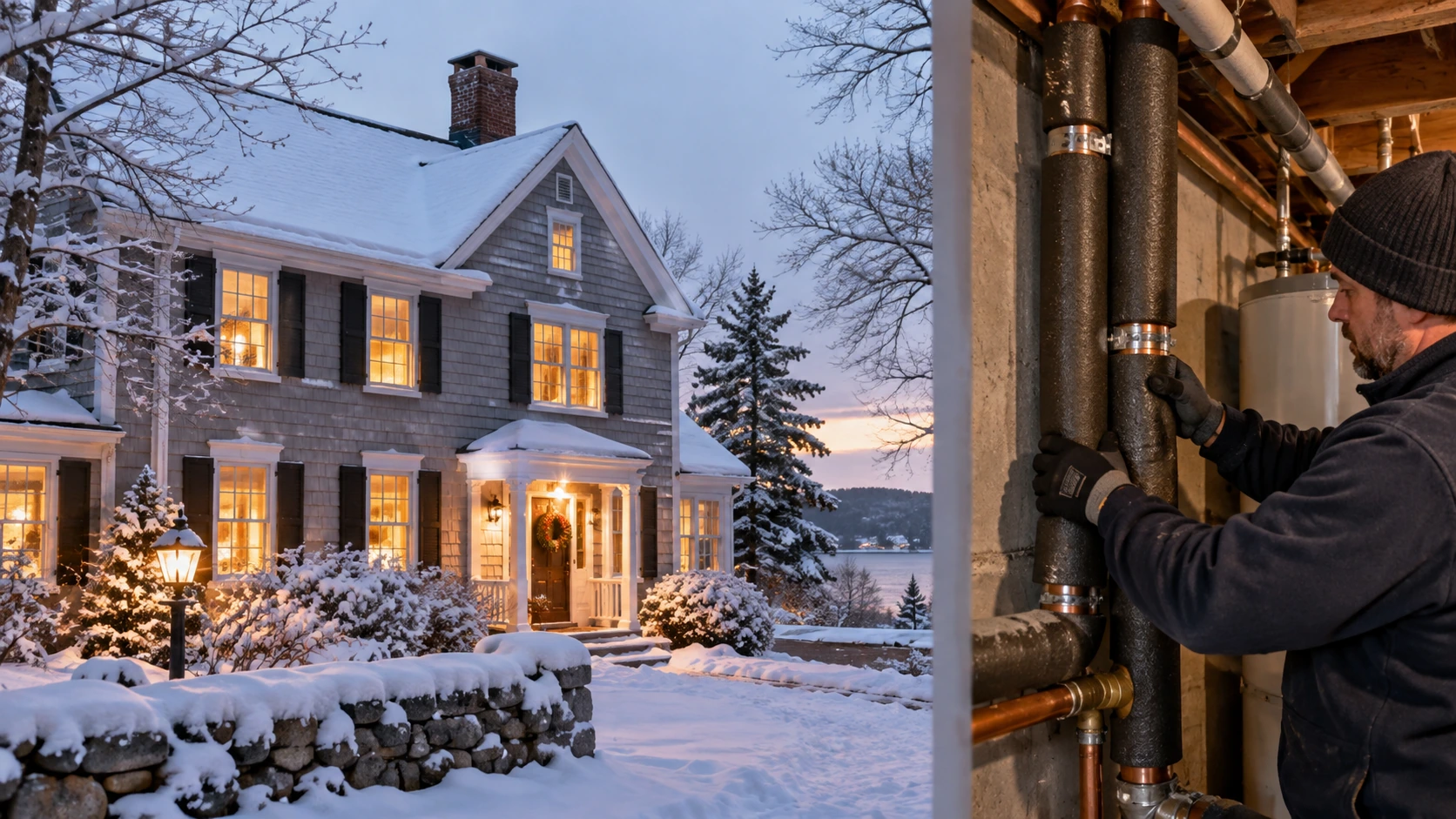
Massachusetts winters can be extremely cold, with freezing temperatures, snowstorms, and strong winds creating problems for homeowners. One common winter plumbing issue is frozen water pipes. When temperatures drop, water inside pipes can freeze, expand, and put pressure on the pipe walls. This pressure can eventually cause pipes to crack or burst, leading to water damage and expensive repairs.
The good news is that a few simple steps can help protect your plumbing system during the coldest months of the year. Knowing how to prevent frozen pipes can save you from unexpected plumbing emergencies and costly repairs.
Whether you live in Boston, Worcester, Springfield, or another part of Massachusetts, taking precautions before winter arrives is important. In this guide, we will explain why pipes freeze, share seven practical prevention tips, and discuss what to do if your pipes freeze.
Why Frozen Pipes Are Common During Massachusetts Winters
Massachusetts experiences long and cold winters. During periods of extreme cold, temperatures can fall below freezing for several days. These conditions increase the risk of frozen pipes, especially in homes with older plumbing systems or poor insulation.
Water freezes when its temperature reaches 32°F (0°C). When water inside a pipe freezes, it expands. This expansion creates pressure that can damage the pipe and cause it to burst.
Exposed pipes are especially vulnerable because they have little protection from cold air. Pipes located near exterior walls, unheated basements, garages, attics, and crawl spaces are often at greater risk.
Some common areas where pipes may freeze include:
- Basements and crawl spaces.
- Garages and unfinished rooms.
- Attics and exterior walls.
- Under kitchen and bathroom sinks.
- Outdoor faucets and water supply lines.
Understanding which parts of your home are most vulnerable is the first step toward effective frozen pipes prevention.
7 Practical Ways to Prevent Your Pipes From Freezing
You do not need expensive equipment to protect your plumbing system. These simple steps can reduce the risk of frozen pipes in winter and help keep your home’s water supply working properly.
Insulate Exposed Water Pipes
Insulating exposed pipes is one of the most effective ways to prevent freezing. Pipes in basements, crawl spaces, garages, and other unheated areas are more likely to freeze when temperatures drop.
Use foam pipe insulation or suitable insulating materials to cover exposed water lines. Pay special attention to pipes near exterior walls and areas where cold air can enter.
Make sure the insulation fits properly and covers vulnerable sections, including joints and bends. For pipes exposed to especially low temperatures, a professional plumber can recommend additional protection.
Seal Gaps Around Doors and Windows
Cold air can enter your home through small openings around doors, windows, foundations, and utility lines. When this cold air reaches nearby plumbing pipes, it increases the chance of freezing.
Check your basement, garage, and other areas for gaps or cracks. Use weatherstripping, caulk, or suitable sealants to close these openings.
Also, inspect areas where water pipes enter or leave your home. Sealing these spaces helps keep warm air inside and reduces direct exposure to freezing temperatures.
Keep Indoor Temperatures Consistent
Lowering your thermostat too much during winter can put your plumbing system at risk. Even if you are trying to reduce heating costs, keeping your home at a consistent temperature is important.
During extremely cold weather, maintain an indoor temperature of at least 55°F (13°C), including when you are away from home.
If you plan to travel during winter, do not turn off your heating system completely. Ask someone to check your home regularly, especially during severe cold weather.
Consistent indoor temperatures help protect pipes located inside exterior walls and other vulnerable areas.
Allow Faucets to Drip During Extreme Cold When Appropriate
During periods of extreme cold, allowing a small trickle of water to flow from a vulnerable faucet may help reduce the risk of freezing.
Moving water is less likely to freeze than standing water. This method can be particularly helpful for faucets connected to pipes running through cold exterior walls.
You do not need to leave every faucet running. Focus on plumbing fixtures connected to pipes that have previously frozen or are exposed to cold temperatures.
However, dripping faucets should not replace proper pipe insulation. Follow local water conservation guidance and ask a plumber whether this approach is suitable for your plumbing system.
Open Cabinet Doors Under Sinks
Kitchen and bathroom sinks are sometimes installed against exterior walls. When cabinet doors remain closed, warm indoor air may not reach the pipes underneath.
During extremely cold weather, open cabinet doors to allow warm air to circulate around the plumbing.
This is especially useful for homes with pipes located along outside walls.
If you have children or pets, make sure cleaning products and other potentially harmful items inside the cabinets are stored safely.
Disconnect Outdoor Garden Hoses
Outdoor faucets and garden hoses are particularly vulnerable during Massachusetts winters.
Leaving a garden hose connected can trap water inside the hose and outdoor faucet. When this water freezes, it can damage the faucet or connected pipes.
Before freezing temperatures arrive:
- Disconnect all garden hoses.
- Drain any remaining water from the hoses.
- Close indoor shutoff valves for outdoor faucets, if available.
- Drain the outdoor faucet according to the plumbing system’s instructions.
- Install an insulated outdoor faucet cover when appropriate.
These simple steps can help prevent frozen outdoor water lines and avoid unnecessary plumbing repairs.
Protect Pipes in Basements and Crawl Spaces
Basements and crawl spaces are common locations for frozen pipes because they may not receive enough heat during winter.
Inspect these areas before temperatures drop. Look for exposed pipes, damaged insulation, air leaks, and signs of previous freezing.
Install suitable pipe insulation and seal openings that allow cold air to enter. If your basement or crawl space has very low temperatures, consider asking a professional plumber about additional protection.
Regular inspections can help identify small problems before they turn into major plumbing emergencies.
Warning Signs That Your Pipes May Be Frozen
Recognizing the early signs of frozen pipes can help you take action before serious damage occurs.
Watch for these common warning signs:
- Reduced water flow: If water comes out slowly or only as a small trickle, ice may be forming inside the pipe.
- Frost or condensation on exposed pipes: Visible frost on a pipe can indicate that the water inside is beginning to freeze.
- Unusual plumbing noises: Banging, gurgling, or strange sounds from your pipes may indicate a blockage or pressure problem.
- No water coming from faucets: If you turn on a faucet and no water comes out, a frozen pipe may be blocking the supply.
If you notice any of these signs, do not ignore them. Acting quickly can reduce the risk of a burst pipe and costly water damage.
What Should You Do If Your Pipes Freeze?
Even with proper preparation, frozen pipes can still happen during extremely cold Massachusetts winters. If you suspect a frozen pipe, take the following steps.
Keep the faucet open.
Turn on the affected faucet slightly. As the ice begins to melt, water will be able to flow through the pipe. This can also help relieve pressure inside the plumbing system.
Shut off the main water supply if a pipe has burst.
If you notice leaking water or signs of a burst pipe, turn off your home’s main water supply immediately. This can help limit water damage.
Avoid using open flames to thaw pipes.
Never use a blowtorch, lighter, or other open flame to heat frozen pipes. This can cause a fire, damage the plumbing, or create other safety hazards.
Contact a professional plumber.
If you cannot locate the frozen section or safely thaw the pipe, contact a licensed plumber. A professional can identify the problem, check for cracks, and recommend the right repair.
For homeowners dealing with frozen pipe repair in Massachusetts, getting professional help quickly is important, especially if water damage has already occurred.
When Should You Call a Professional Plumber?
Not every frozen pipe requires major repairs, but some situations need immediate professional attention.
Contact a plumber if:
- No water is coming from multiple faucets.
- You notice water leaking from walls, ceilings, or floors.
- A pipe appears cracked, swollen, or damaged.
- You cannot identify where the pipe is frozen.
- Your plumbing system continues to freeze despite insulation.
- You experience repeated freezing problems every winter.
A professional plumber can inspect your plumbing system, locate damaged sections, and provide reliable repairs.
If a pipe bursts or causes significant water leakage, look for emergency plumbing services. Quick action can help prevent additional property damage and reduce repair costs.
Protect Your Plumbing System Before Winter Arrives
Preventing frozen pipes is much easier and less expensive than dealing with a burst pipe in the middle of winter. Preparing your plumbing system before temperatures drop can help protect your home and avoid unexpected emergencies.
Start by insulating exposed pipes, sealing air leaks, maintaining consistent indoor temperatures, and disconnecting outdoor hoses. Pay extra attention to basements, crawl spaces, garages, and other unheated areas.
It is also a good idea to schedule professional winter plumbing maintenance. A plumber can inspect vulnerable pipes, identify existing problems, and recommend improvements to help protect your plumbing system.
If you are concerned about frozen pipes or need help preparing your home for winter, consider contacting a professional plumbing company in Massachusetts.
Taking preventive action today can save you time, money, and stress throughout the winter season.
Frequently Asked Questions About Preventing Frozen Pipes
At What Temperature Do Pipes Freeze?
Water pipes can begin to freeze when temperatures drop below 32°F (0°C). However, pipes exposed to cold air, strong winds, or poor insulation may freeze faster, especially during extended periods of freezing weather.
How Can I Prevent Frozen Pipes During a Massachusetts Winter?
You can prevent frozen pipes by insulating exposed water lines, sealing gaps around doors and windows, keeping your home heated, and disconnecting outdoor garden hoses. Pay special attention to pipes in basements, crawl spaces, garages, and exterior walls.
Should I Leave My Faucets Dripping in Freezing Weather?
Yes, allowing a small trickle of water to flow from vulnerable faucets can help reduce the risk of freezing during extreme cold. This is especially helpful for pipes located along exterior walls. However, it should not replace proper insulation.