

Sewer line problems are among the most stressful plumbing issues a homeowner can face. Since most sewer pipes are located underground, it is easy to overlook damage until serious symptoms appear. What starts as a slow drain or unpleasant smell can turn into a major plumbing emergency if left untreated.
The good news is that recognizing the early signs of sewer line problems can help you avoid costly repairs and protect your property. With proper maintenance, timely inspections, and professional plumbing services, you can identify potential issues before they become bigger concerns.
In this guide, we will explain the common warning signs of sewer line damage, what causes these problems, and how you can prevent expensive repairs.
Why Sewer Line Problems Should Never Be Ignored
Your home’s sewer line carries wastewater from sinks, toilets, showers, washing machines, and other plumbing fixtures to the main sewer system or septic tank.
When everything works correctly, wastewater flows through the pipes without causing problems. However, cracks, blockages, root intrusion, and pipe deterioration can interrupt this process.
Ignoring sewer line damage can lead to several serious issues, including:
- Wastewater backing up into sinks, toilets, and floor drains.
- Unpleasant sewer odors inside and outside your home.
- Water damage to floors, walls, and foundations.
- Unhealthy conditions caused by exposure to sewage.
- Expensive emergency plumbing repairs.
Early detection is important because a small blockage or damaged pipe section may be easier and less expensive to repair than a severely damaged sewer line.
7 Common Warning Signs of Sewer Line Problems
Knowing what to look for can help you identify sewer line problems before they cause major damage. Here are seven warning signs every homeowner should understand.
Multiple Slow Drains Throughout the Home
A slow drain is not always a serious problem. Sometimes, hair, soap, or food particles create a blockage in an individual drain.
However, if several drains in your home become slow at the same time, the issue may be deeper in your main sewer line.
For example, you may notice that your kitchen sink, bathroom sink, and shower are all draining slowly. This can indicate a blockage preventing wastewater from flowing properly through the sewer system.
If multiple drains continue to run slowly despite basic cleaning, consider scheduling a professional plumbing inspection.
Frequent Drain Backups
Frequent drain backups are another major warning sign of sewer line problems.
If water repeatedly comes back up through your toilet, bathtub, shower, or floor drain, there may be a blockage in the main sewer line.
This happens when wastewater cannot move freely through the pipes and begins flowing back toward your home.
Occasional minor clogs may be manageable, but repeated backups should never be ignored. Professional drain cleaning or sewer line repair may be necessary to address the underlying issue.
Unpleasant Sewer Odors
A properly functioning sewer system should keep wastewater odors contained inside the pipes.
If you notice a persistent smell similar to rotten eggs or sewage around your drains, basement, or yard, there could be a problem with your plumbing system.
Possible causes include:
- Cracked or damaged sewer pipes.
- Blocked sewer lines.
- Loose or damaged pipe connections.
- Problems with plumbing traps or ventilation.
Sewer odors should be investigated, especially when they occur alongside slow drains or frequent backups. Persistent indoor sewer gas odors deserve prompt professional attention.
Gurgling Sounds From Toilets and Drains
Do you hear bubbling or gurgling sounds when flushing the toilet or running water in the sink?
These unusual sounds may indicate trapped air inside your plumbing system.
When a sewer line becomes blocked, wastewater and air may struggle to move through the pipes normally. This can create bubbling noises in nearby drains and toilets.
Although occasional sounds can have other causes, repeated gurgling across multiple fixtures may indicate a larger drainage problem.
A plumber can inspect the system and determine whether the issue is caused by a blockage, damaged pipe, or ventilation problem.
Unusually Green or Wet Patches in the Yard
Your lawn can sometimes reveal problems hidden underground.
If you notice one area of your yard becoming unusually green, soft, or wet without a clear reason, a leaking sewer line could be responsible.
Wastewater leaking from a damaged pipe can provide moisture and nutrients to the surrounding soil. This may cause grass above the damaged section to grow faster or appear greener than nearby areas.
Other warning signs include:
- Small areas of standing water.
- Unpleasant odors in the yard.
- Soggy soil during dry weather.
- Sunken areas or unexpected ground changes.
These symptoms do not always mean a sewer line is damaged, but they are worth investigating.
Sewage Backups in Basement Drains
Basement floor drains are often among the first places where sewer backups become visible.
If wastewater or sewage starts coming through a basement drain, it may indicate that the main sewer line is blocked or damaged.
This is a serious issue because sewage can quickly damage flooring, stored belongings, and other property.
Avoid contact with the wastewater and keep children and pets away from the affected area. Contact a professional plumber promptly to identify the source of the backup and arrange appropriate repairs.
Unexpected Pest Activity Around Drains or Sewer Areas
An unusual increase in pests around plumbing areas may sometimes be connected to sewer system problems.
Damaged sewer pipes, moisture, and organic waste can create conditions that attract insects and other pests.
For example, increased insect activity around floor drains, basements, or areas of leaking wastewater may deserve further investigation.
However, pests can enter homes through several routes, so their presence alone does not confirm sewer line damage. A professional inspection can help identify the actual cause.
What Causes Sewer Line Damage?
Understanding the common causes of sewer line problems can help you take preventive steps before serious damage occurs.
Tree Root Intrusion
Tree roots are one of the common causes of underground sewer pipe damage.
Roots naturally grow toward moisture. If a sewer pipe has small cracks or loose connections, roots may enter through these openings.
Over time, they can grow inside the pipe, restrict wastewater flow, and cause blockages.
Tree roots in sewer lines may eventually lead to pipe cracks, leaks, and the need for professional sewer line repair.
Aging or Deteriorating Pipes
Like other plumbing components, sewer pipes become weaker as they age.
Older pipes made from materials such as clay, cast iron, or outdated pipe systems may develop corrosion, cracks, or structural damage over time.
Regular sewer pipe inspection can help identify deterioration before the pipe completely fails.
Grease and Debris Buildup
Pouring cooking grease, oils, and food waste down the kitchen sink can contribute to sewer blockages.
Grease may cool and harden inside pipes, gradually trapping other materials and reducing the space available for wastewater to flow.
Flushing inappropriate items can also create serious blockages.
Ground Shifting and Soil Movement
Changes in soil conditions can place pressure on underground sewer pipes.
Heavy rainfall, soil erosion, construction activity, and natural ground movement may cause pipes to shift, crack, or separate at their joints.
These issues can affect wastewater flow and sometimes lead to underground leaks.
Improper Installation
Poor installation can create long-term sewer problems.
Incorrect pipe slopes, weak connections, unsuitable materials, or improper alignment can prevent wastewater from draining efficiently.
This is why professional installation and regular maintenance are important for a reliable sewer system.
How Professional Sewer Camera Inspections Work
A sewer camera inspection is one of the most effective ways to identify problems inside underground sewer pipes.
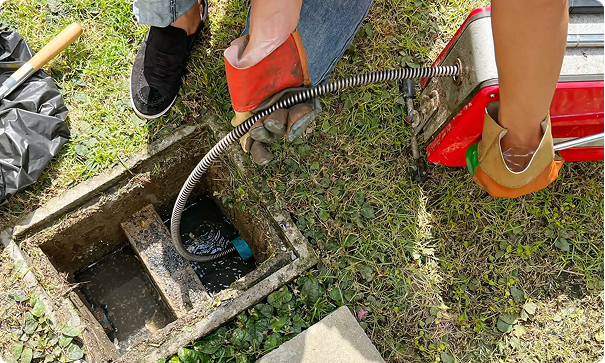
During this process, a plumber inserts a specialized waterproof camera into the sewer line through an accessible cleanout or another suitable entry point.
The camera sends live video to a monitor, allowing the plumber to examine the inside of the pipe.
A sewer camera inspection can help identify:
- Tree root intrusion.
- Cracks and broken pipe sections.
- Grease and debris buildup.
- Pipe separation and misalignment.
- Corrosion and other signs of deterioration.
- Blockages restricting wastewater flow.
One major advantage of this process is that it helps plumbers locate the exact problem without unnecessary digging.
Instead of guessing where the damage might be, professionals can use the camera footage to recommend a suitable solution.
Early sewer inspections can also help homeowners make informed decisions about maintenance and repairs.
How to Prevent Sewer Line Problems
Although not every sewer problem can be prevented, a few simple habits can reduce the risk of major plumbing issues.
Here are some practical steps to protect your sewer system:
- Avoid flushing inappropriate materials: Only flush human waste and toilet paper. Avoid flushing wipes, paper towels, sanitary products, cotton swabs, and other items that can cause blockages.
- Dispose of cooking grease properly: Never pour grease or cooking oil down the kitchen sink. Allow it to cool and dispose of it in a suitable container.
- Schedule inspections when problems repeat: If you experience recurring clogs, slow drains, or backups, arrange a professional inspection instead of repeatedly treating the symptoms.
- Address drainage issues promptly: Do not ignore unusual gurgling sounds, persistent odors, or multiple slow drains. Early attention can prevent further damage.
- Be mindful of tree roots: Understand where underground sewer lines are located before planting large trees or shrubs. If roots are already affecting your pipes, ask a plumber about appropriate treatment options.
- Maintain your plumbing system: Regular maintenance and professional drain cleaning can help identify potential issues before they become serious.
Sewer Line Repair vs. Replacement: What’s the Difference?
When a sewer line becomes damaged, homeowners may need either a repair or a complete replacement. The right option depends on the condition of the pipe and the extent of the damage.
When Sewer Line Repair Is Appropriate
Sewer line repair is often suitable when the damage is limited to a small section of the pipe.
For example, a plumber may recommend a localized repair when there is:
- A small crack or leak.
- A localized blockage.
- Limited tree root intrusion.
- A damaged pipe connection.
- A small section of pipe deterioration.
Repairing the affected area can restore proper drainage without replacing the entire sewer system.
When Sewer Line Replacement May Be Necessary
Sewer line replacement may be the better option when the existing pipe has widespread or severe damage.
Replacement may be recommended when pipes have multiple cracks, extensive corrosion, repeated structural failures, or significant root intrusion.
The plumber will consider several factors before recommending replacement, including pipe age, material, location, repair history, and overall structural condition.
A sewer camera inspection can help determine whether a localized repair is practical or whether replacing the line is a better long-term solution.
When Should You Call a Professional Plumber?
You should contact a professional plumber whenever you notice repeated drainage problems or signs of possible sewer line damage.
Do not wait until sewage starts backing up into your home.
Consider scheduling an inspection if:
- Multiple drains are slow at the same time.
- Toilets and drains frequently back up.
- You notice persistent sewer odors.
- Your basement floor drain releases wastewater.
- Your yard has unexplained wet or sunken areas.
- You hear repeated gurgling sounds from plumbing fixtures.
If sewage is backing up, stop using affected plumbing fixtures and arrange professional assistance as soon as possible.
A qualified plumber can inspect your sewer system, identify the source of the problem, and recommend the most appropriate repair.
Get Professional Sewer Line Assistance From Foukas Plumbing
Sewer line problems can become expensive when warning signs are ignored. The best way to protect your home is to recognize early symptoms and address plumbing issues before they turn into major emergencies.
Whether you are dealing with recurring drain blockages, unpleasant sewer odors, slow drainage, or suspected underground pipe damage, professional assistance can help you find the right solution.
Foukas Plumbing can help homeowners address sewer and drainage concerns with professional plumbing services. From identifying potential sewer line damage to recommending suitable repair options, getting the right help can make a significant difference.
Do not wait for a small plumbing issue to become a major problem. Contact Foukas Plumbing to discuss your sewer line concerns and arrange professional assistance.
Frequently Asked Questions (FAQs)
What are the most common signs of sewer line problems?
The most common signs include multiple slow drains, frequent toilet backups, unpleasant sewer odors, gurgling sounds, unusually wet areas in the yard, and sewage coming through basement drains.
How do I know if my main sewer line is clogged?
If several plumbing fixtures become slow or back up at the same time, your main sewer line may be clogged. Gurgling toilets and water coming through lower-level drains can also indicate a main line blockage. A professional inspection can confirm the cause.
Can tree roots damage sewer lines?
Yes. Tree roots can enter sewer pipes through small cracks or loose joints. As they grow, they may create blockages and increase pipe damage. Professional root removal and sewer line repair can help resolve the problem.
How much does sewer line repair cost?
The cost depends on the location and extent of the damage, pipe material, accessibility, and repair method. A small localized repair usually costs less than replacing an entire sewer line. A professional inspection is the best way to receive an accurate estimate.
How often should sewer lines be inspected?
There is no single inspection schedule that works for every home. Older properties, homes with large trees near sewer lines, and properties with recurring drainage problems may benefit from more frequent inspections. Ask a licensed plumber to recommend a schedule based on your sewer system’s age and condition.