


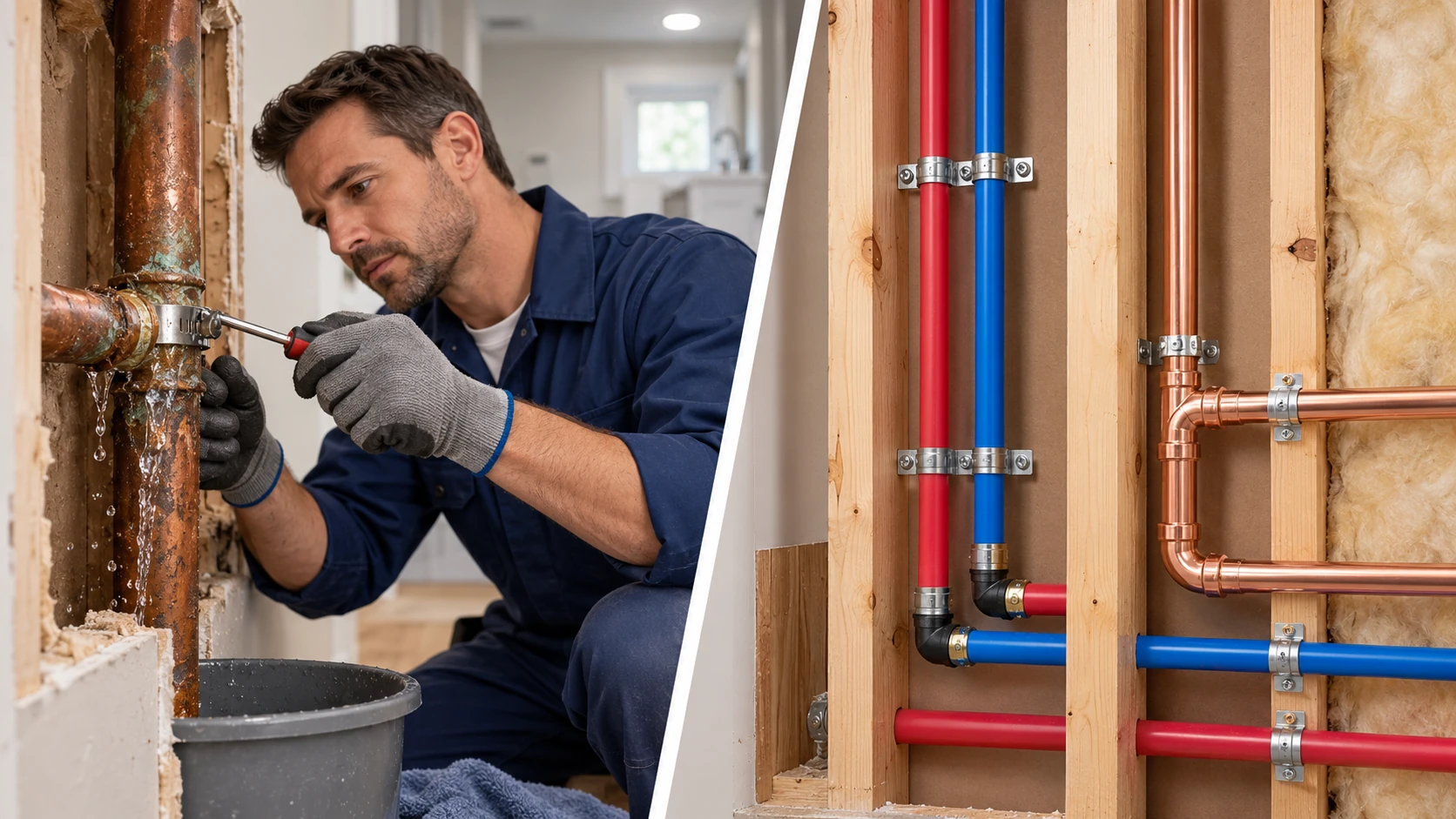
A leaking or damaged pipe does not always mean you need a full replacement. In some situations, a plumber can repair a small damaged section and restore the line to proper working condition. In others, the condition, age, location, or extent of the damage makes pipe replacement the more sensible choice.
The difficult part for homeowners is knowing which situation applies. A visible leak may come from a small connection problem, while repeated leaks in the same system can point to a much larger issue.
Understanding the difference between pipe repair and pipe replacement can help you ask better questions, prepare for the work, and avoid paying for a solution that does not address the underlying problem.
When Is Pipe Repair Usually Enough?
Pipe repair is generally appropriate when the damage is limited and the rest of the pipe remains in suitable condition. The goal is to correct the affected area without replacing more of the plumbing system than necessary.
For example, imagine a water line with one damaged connection. If the surrounding pipe is structurally sound, replacing the entire line may not make sense. A plumber may be able to repair the connection or replace a small section instead.
Common situations that may call for pipe repair include:
- A small, isolated leak
- A damaged fitting or connection
- A localized section of corrosion
- Minor damage caused by an impact
- A single problem area in an otherwise serviceable pipe
The condition of the surrounding plumbing matters just as much as the visible damage. A small leak in an old, deteriorating pipe may require a different approach from the same leak in a relatively sound system.
For broader plumbing problems, homeowners can also review plumbing repairs to understand the types of issues that may be addressed without replacing an entire plumbing system.
When Does Pipe Replacement Make More Sense?
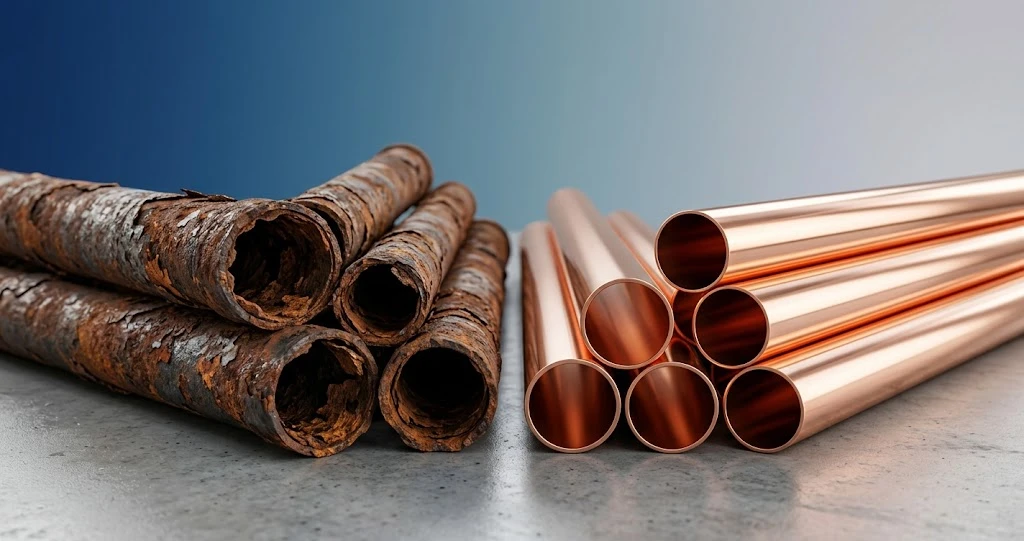
Pipe replacement becomes more appropriate when the problem extends beyond one isolated section. A plumber may recommend replacement when the existing pipe has widespread deterioration, repeated failures, or conditions that make another repair unlikely to last.
Several warning signs can point in this direction:
- Multiple leaks occurring in different sections
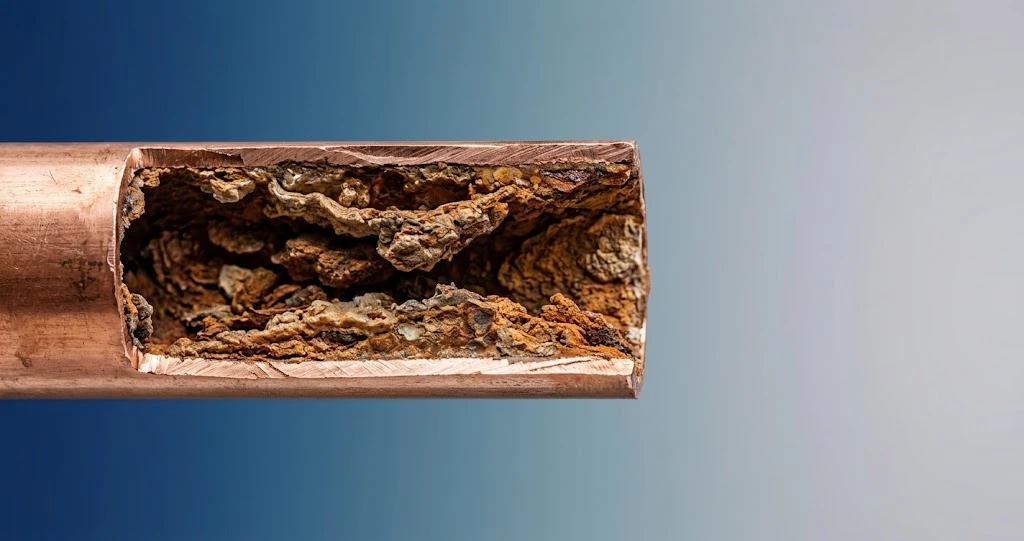
- Extensive corrosion or deterioration
- Pipes that have become brittle or badly damaged
- Repeated repairs on the same line
- Severe blockage associated with deteriorating pipe material
- A plumbing system that has reached the end of its useful service life
- Damage covering a large section of the pipe
Suppose a homeowner repairs one leak today, only to find another leak several feet away a few months later. The second failure does not necessarily mean the first repair was incorrect. It may indicate that the larger pipe system is deteriorating.
In such cases, replacing the affected line can address the broader problem instead of continuing to repair individual failure points.
The Condition of the Entire Pipe Matters
A plumber should not judge a pipe solely by the location of the current leak. The surrounding section needs to be considered as well.
A pipe can have one obvious failure while appearing intact elsewhere. However, corrosion, mineral buildup, material deterioration, or other problems may affect sections that are not currently leaking.
This is why diagnosis matters before deciding between repair and replacement.
For example, if a pipe has one small crack but the surrounding material remains sound, repair may be reasonable. If inspection shows several weakened areas, replacing the affected section or a larger portion of the line may be more appropriate.
The right choice depends on the actual condition of the plumbing rather than the size of the visible leak alone.
How Plumbers Determine Whether a Pipe Can Be Repaired
Diagnosis usually begins with locating the source of the problem and determining what caused it. A plumber may inspect visible piping, connections, valves, fixtures, and accessible sections of the plumbing system.
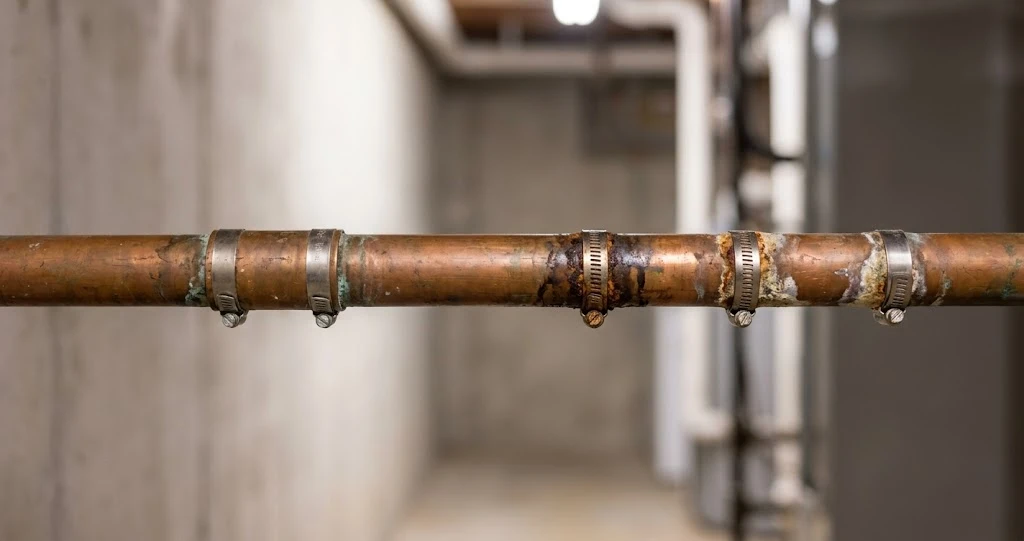
For concealed pipes, finding the source can be more difficult. A leak may occur inside a wall, beneath flooring, or underground, while the visible water appears somewhere else.
Leak detection can help locate hidden plumbing problems before unnecessary sections are opened or replaced. This is particularly useful when the source of the water is not immediately obvious.
Once the problem has been located, the plumber can consider factors such as:
- The type of pipe
- The location of the damage
- The extent of deterioration
- The cause of the failure
- The condition of nearby sections
- Whether the same problem has occurred before
- How accessible the damaged pipe is
This information provides a much better basis for choosing repair or replacement than the visible symptom alone.
Pipe Material Can Affect the Decision
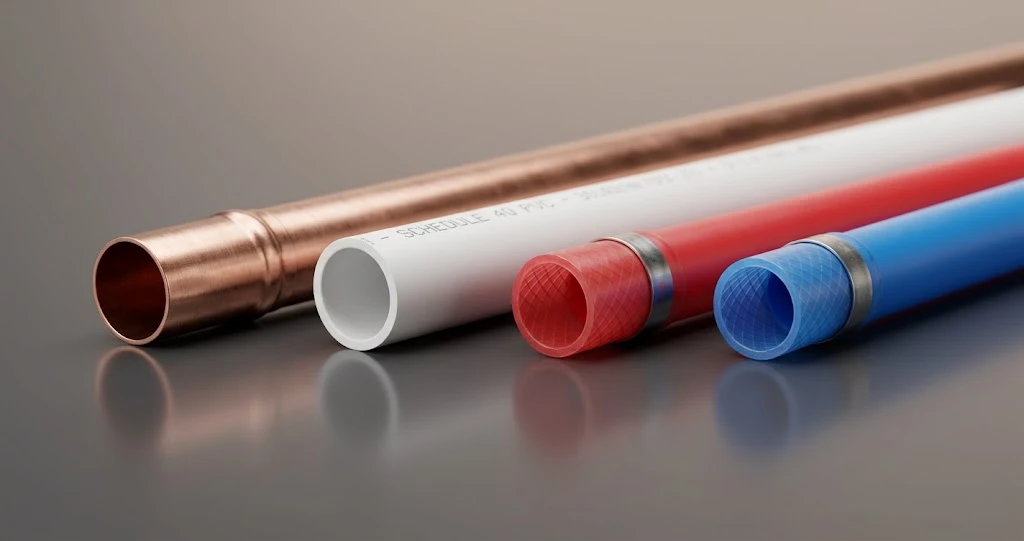
Different plumbing materials can behave differently as they age or become damaged. The material of the existing pipe therefore forms part of the repair or replacement decision.
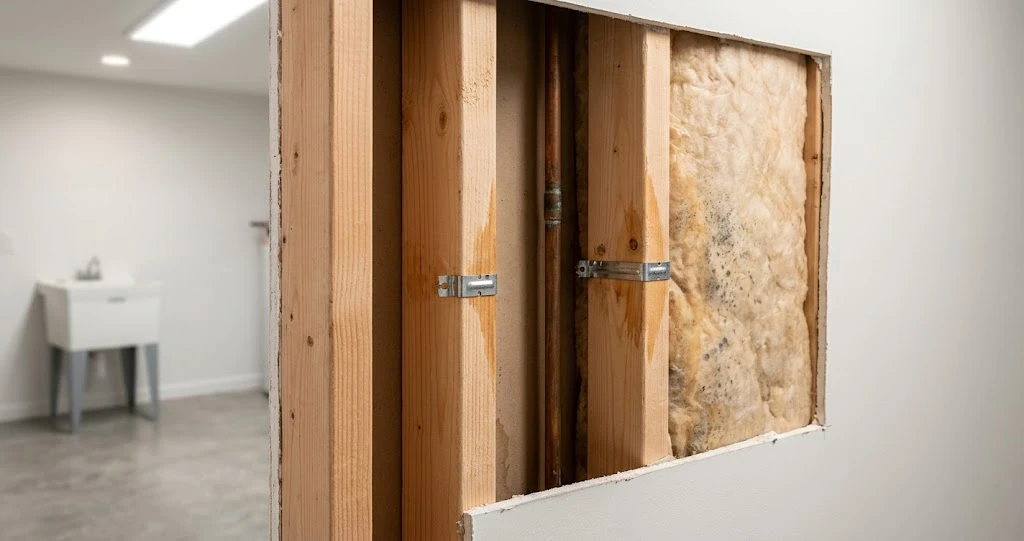
Copper, galvanized steel, PVC, CPVC, PEX, and other materials each have different characteristics. A plumber also needs to consider how the existing material connects with replacement sections and whether the surrounding system remains suitable.
Material alone does not determine the answer. A damaged section of otherwise sound piping may still be repairable, while an older system with widespread deterioration may justify replacement.
The important question is not simply, “What type of pipe is this?” It is, “What is the condition of this pipe and the surrounding plumbing system?”
Repeated Leaks Are a Warning Sign
One of the clearest reasons to look beyond a single repair is repeated leakage.
A homeowner may understandably prefer to repair each leak as it appears. That approach can make sense when failures are isolated. However, repeated problems in the same plumbing system deserve a broader inspection.
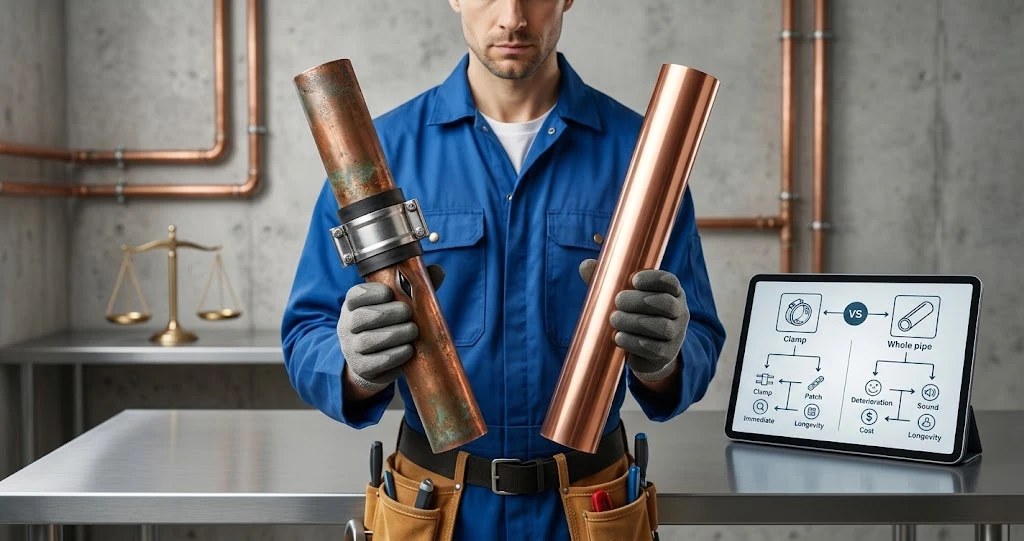
Consider a hypothetical example. A water line develops a leak near one connection. The damaged section is repaired, but another leak appears elsewhere later. If additional failures continue, the pattern may indicate deterioration throughout the line rather than a series of unrelated accidents.
At that point, another small repair may only address the latest symptom.
A plumbing professional can assess whether continued repairs remain reasonable or whether replacement would better address the condition of the system.
Hidden Pipe Damage Can Change the Equation
Not every plumbing problem is visible. Water stains, damp areas, unexplained moisture, low water pressure, or changes in water behavior can sometimes point toward a concealed pipe problem.
A hidden leak can be especially difficult because the location where water appears may not match the location where the pipe is damaged.
Opening walls or floors without first locating the problem can result in unnecessary work. A proper inspection can help determine where the issue originates and how much piping is actually affected.
When the problem involves a water line, water line services may be relevant to the broader diagnosis and repair process.
Repair or Replacement: What Are the Main Tradeoffs?
Neither option is automatically right for every plumbing problem. Each has practical considerations that should be weighed against the condition of the system.
| Consideration | Pipe Repair | Pipe Replacement |
|---|---|---|
| Amount of damaged piping | Usually limited | Often larger or widespread |
| Existing pipe condition | Generally suitable | Significant deterioration may be present |
| Immediate scope of work | Smaller | Usually more extensive |
| Repeated failures | Less suitable when problems continue | May make more sense |
| Long term condition | Depends on surrounding pipe | Addresses the affected section more broadly |
| Best use | Isolated damage | Extensive or recurring problems |
A repair can be appropriate when the problem is localized and the remaining pipe is in reasonable condition. Replacement may make more sense when the existing line has several weaknesses or continued repairs would leave other damaged areas in place.
The decision should therefore consider both the immediate problem and the expected condition of the plumbing afterward.
How Water Damage Can Affect the Decision
A leaking pipe is not only a plumbing concern. If water continues to escape, it can affect nearby walls, flooring, ceilings, cabinets, insulation, or other building materials.
The longer a leak continues, the greater the opportunity for water to spread into areas that are difficult to see.
That does not mean every leak requires immediate pipe replacement. Instead, it means the source should be identified and addressed before the surrounding damage becomes more extensive.
For an active or serious plumbing leak, emergency plumbing may be appropriate when waiting could lead to significant water damage.
What Should You Ask Before Choosing Replacement?
If a plumber recommends replacing a pipe, ask what evidence supports that recommendation. A clear explanation should connect the proposed work to the actual condition of the plumbing.
Useful questions include:
- Where exactly is the pipe damaged?
- Is the damage isolated or widespread?
- What caused the failure?
- What condition is the surrounding pipe in?
- Has this section been repaired before?
- Are there other signs of deterioration?
- How much of the pipe needs to be replaced?
- Could another repair reasonably address the problem?
- What could happen if the existing pipe remains in service?
These questions do not mean a homeowner should challenge every replacement recommendation. Rather, they help clarify why replacement is being proposed and what problem it is intended to solve.
For larger plumbing work, professional plumbing replacement provides a relevant service path when existing piping needs to be replaced.
When a Professional Inspection Is Worthwhile
Some pipe problems are straightforward, but others are difficult to diagnose without the right equipment and experience.
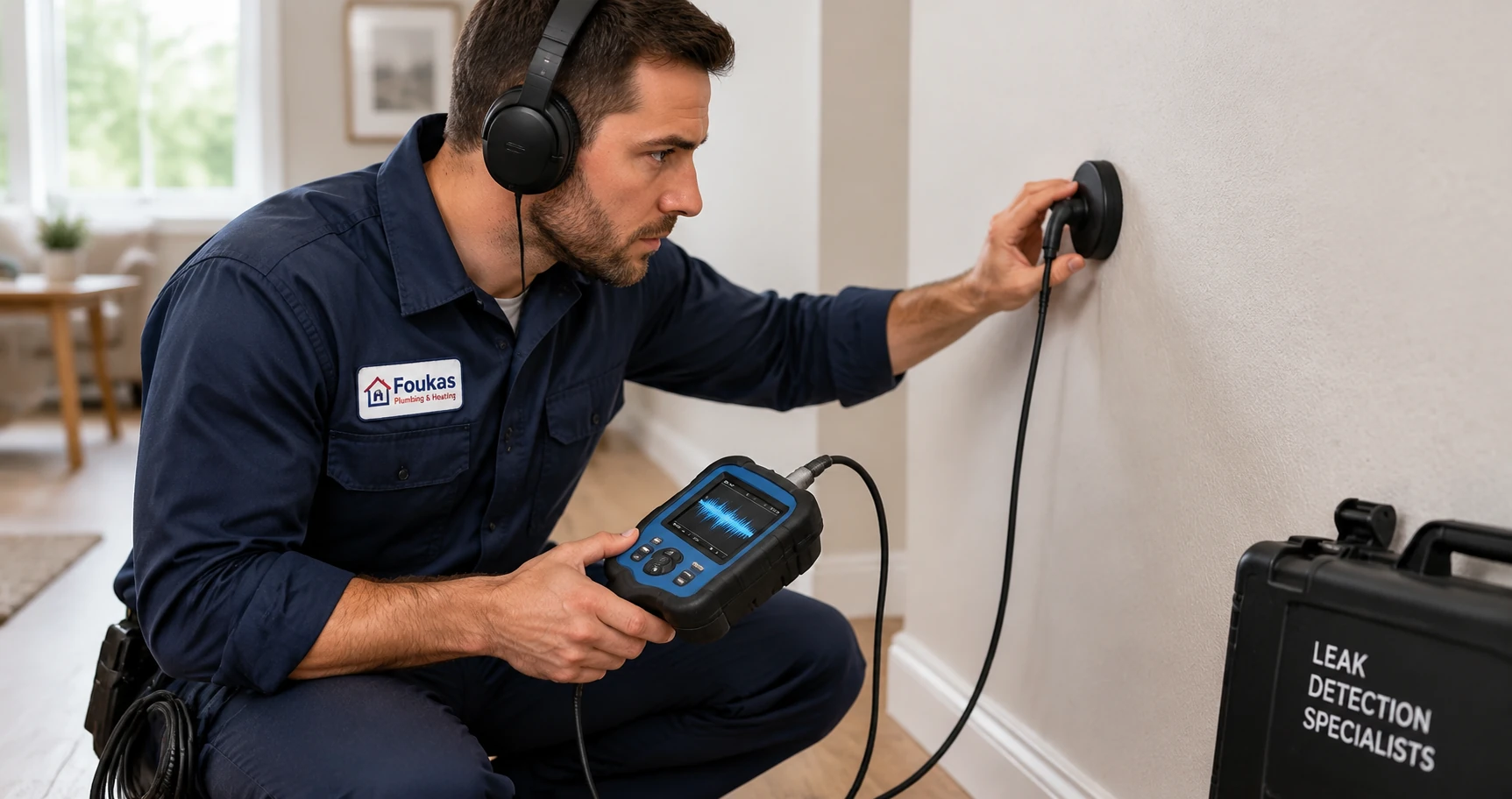
A professional inspection becomes particularly useful when:
- The leak source cannot be located
- Water appears in an unexpected area
- Several leaks have occurred
- Water pressure has changed noticeably
- The plumbing is difficult to access
- There is visible corrosion or deterioration
- A previous repair did not resolve the issue
- You are being asked to replace a substantial section of piping
For suspected sewer line problems, a camera inspection can provide information that is difficult to obtain from the outside of the pipe. Sewer camera inspections can help examine the interior of a sewer line and identify conditions affecting its performance.
The inspection method should match the type and location of the plumbing problem.
How to Decide Between Pipe Repair and Pipe Replacement
The simplest way to approach the decision is to look at the problem in stages.
First, identify the source. A visible puddle does not always show where the pipe has failed.
Next, determine the extent of the damage. A single damaged point is different from deterioration affecting multiple sections.
Then, assess the surrounding pipe. The condition of nearby material can determine whether a small repair is likely to remain suitable.
Finally, consider the history of the system. Repeated leaks and previous repairs may indicate that the current failure is part of a broader problem.
A repair is often worth considering when the damage is isolated and the remaining pipe is in reasonable condition. Replacement deserves more consideration when deterioration is widespread, failures keep returning, or the existing pipe is no longer suitable for continued service.
The Right Choice Depends on the Plumbing System
Pipe repair and pipe replacement are not competing solutions where one is always better. They address different conditions.
A localized leak in an otherwise sound pipe may only require repair. A deteriorating line with repeated failures may call for replacement. Between those situations are many cases where inspection is necessary before the appropriate option becomes clear.
That is why the most useful first step is usually accurate diagnosis. Once the source, cause, extent, and condition of the plumbing are understood, the repair versus replacement decision becomes much easier to make.
For homeowners dealing with a broader plumbing issue, plumbing services can provide a starting point for determining which type of service applies to the problem.