


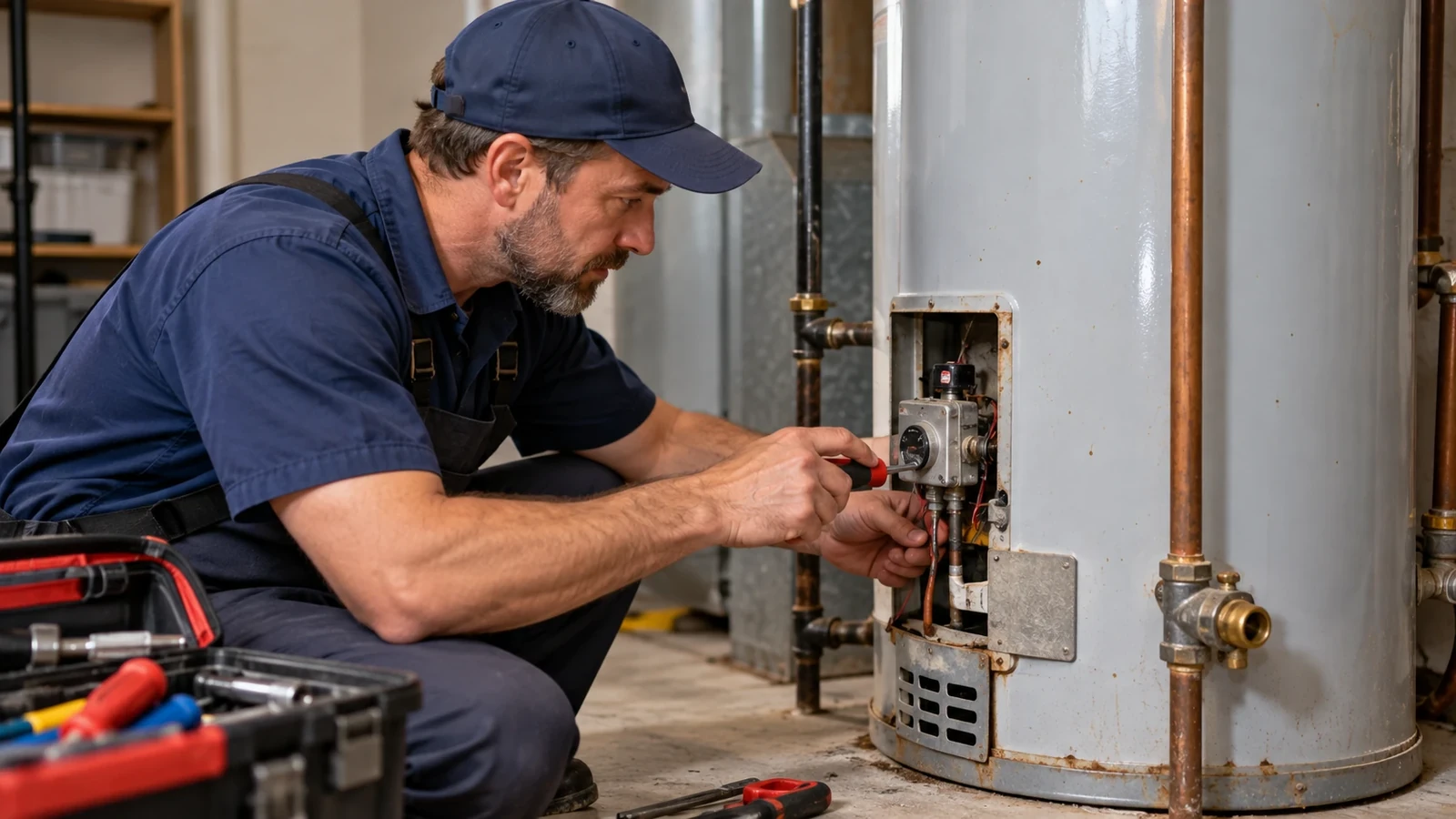
A water heater is one of the most important appliances in your home. It provides hot water for showers, washing dishes, laundry, and other daily activities. However, when your water heater starts making strange noises, such as popping, rumbling, banging, or hissing, it can be a sign that something is wrong.
Many homeowners ignore these sounds because they think they are normal. While some operating noises are harmless, unusual or loud sounds may indicate sediment buildup, mineral deposits, water pressure problems, or damaged components.
Understanding why your water heater is making noises can help you identify potential problems early and avoid expensive repairs. In this guide, we will explain the common causes of water heater noises, what different sounds mean, and when to call a professional plumber.
Is It Normal for a Water Heater to Make Noise?
Yes, some water heater noises are normal. For example, you may hear a soft humming sound, gentle clicking, or slight movement of water when the heating system starts working.
However, loud or unusual noises should not be ignored. If your water heater suddenly starts popping, rumbling, banging, or whistling, it may have an underlying problem.
Changes in sound are especially important. A water heater that has always operated quietly but suddenly becomes noisy may need professional inspection.
Pay attention to when the noise happens, how loud it is, and whether you notice other problems, such as inconsistent hot water or leaks.
5 Common Reasons Your Water Heater Makes Strange Noises
There are several reasons why your water heater may produce unusual sounds. Here are five common causes homeowners should know.
Sediment Buildup Inside the Tank
Sediment buildup is one of the most common reasons for a water heater popping noise or rumbling sound.
Over time, minerals, dirt, and other particles in the water settle at the bottom of the tank. When the heating system warms the water, steam bubbles can become trapped under this sediment layer.
As the bubbles escape, they create popping or rumbling sounds.
If sediment continues to collect, it can reduce heating efficiency and put additional stress on the water heater. Professional tank flushing can help remove accumulated sediment and improve performance.
Mineral Deposits From Hard Water
Hard water contains minerals such as calcium and magnesium. When water is heated, these minerals can form deposits inside the tank and around heating components.
These deposits can create crackling, popping, or sizzling sounds during operation.
Mineral buildup can also make it harder for your water heater to transfer heat efficiently. As a result, the system may take longer to heat water and use more energy.
Regular maintenance can help prevent excessive mineral buildup, especially in areas with hard water.
Water Pressure Problems
High water pressure can cause banging, knocking, or vibrating sounds in your plumbing system.
When water moves through pipes at excessive pressure, it can create vibrations and sudden pressure changes. These sounds may seem like they are coming directly from the water heater.
A plumber can check your home’s water pressure and inspect the pressure regulator, valves, and related plumbing connections.
Keeping water pressure within the recommended range helps protect your water heater and other plumbing fixtures.
Heating Element Problems in Electric Water Heaters
Electric water heaters use heating elements to warm the water inside the tank.
Over time, mineral deposits can collect around these elements. This buildup may cause sizzling, crackling, or popping sounds when the elements heat the water.
A damaged or failing heating element can also affect water temperature and heating performance.
If you notice unusual noises along with a lack of hot water, it is best to have a professional plumber inspect the system.
Loose Pipes or Plumbing Connections
Sometimes, the noise does not come from the water heater itself. Loose pipes, poorly secured connections, or expanding plumbing lines can create banging, clicking, and vibrating sounds.
Hot water causes pipes to expand slightly. When pipes rub against nearby surfaces or move inside wall openings, they may produce noticeable noises.
A plumbing professional can inspect the connections, identify loose sections, and recommend the right repairs.
What Different Water Heater Noises Can Mean
The type of sound your water heater makes can provide useful clues about the problem.
- Popping sounds: Usually caused by sediment or mineral deposits collecting at the bottom of the tank.
- Rumbling sounds: Often linked to heavy sediment buildup and trapped steam bubbles.
- Banging sounds: May indicate high water pressure, water hammer, or loose plumbing pipes.
- Hissing sounds: Can be caused by steam escaping around a valve or water contacting a hot surface. If you notice water leaking, arrange a professional inspection.
- Whistling sounds: May indicate restricted water flow, a partially closed valve, or excessive pressure.
Although these sounds can help identify possible problems, a proper inspection is needed to confirm the exact cause.
How Sediment Buildup Affects Water Heater Performance
Sediment buildup does more than create annoying noises. It can also affect the overall performance and lifespan of your water heater.
Here are some common effects:
- Reduced heating efficiency: Sediment creates a barrier between the heat source and the water, making heating less efficient.
- Longer heating times: Your system may take longer to produce enough hot water.
- Higher energy bills: The water heater may use more energy to reach the desired temperature.
- Potential equipment damage: Excessive sediment can increase stress on the tank and heating components.
Regular maintenance and professional flushing can help reduce sediment-related problems and keep your water heater working efficiently.
Can You Fix a Noisy Water Heater Yourself?
Homeowners can perform a few basic checks before contacting a plumber.
Start by observing when the noise occurs. Does it happen while the water is heating, when someone opens a faucet, or throughout the day?
You can also look around the outside of the unit for visible leaks, corrosion, or unusual moisture. Check whether nearby pipes appear loose or are vibrating.
However, avoid opening the water heater or attempting to repair gas lines, electrical connections, heating elements, or internal valves yourself.
Gas and electrical water heaters contain components that can be dangerous when handled incorrectly. Professional inspection is the safest way to diagnose and repair these problems.
When Should You Repair or Replace Your Water Heater?
Not every noisy water heater needs replacement. In many cases, professional water heater repair can solve the problem.
However, replacement may be a better option if you notice:
- Old age: Traditional tank water heaters often last around 8–12 years, depending on maintenance, water quality, and usage.
- Frequent repairs: Repeated breakdowns may make replacement more cost-effective.
- Corrosion: Rust around the tank or connections may indicate deterioration.
- Water leaks: Leaking from the tank itself can indicate serious internal damage.
- Poor hot water performance: Inconsistent temperatures or insufficient hot water may indicate a failing system.
A professional plumber can inspect your unit and help you decide whether repair or replacement is the better long-term solution.
Why Choose Professional Water Heater Repair?
A noisy water heater may seem like a small problem, but ignoring it can lead to bigger issues.
Professional plumbers have the knowledge and equipment to identify the source of unusual sounds. They can inspect the tank, heating elements, pressure controls, valves, and plumbing connections.
Professional water heater repair offers several benefits:
- Accurate diagnosis of the problem.
- Safe repairs for gas and electrical systems.
- Removal of sediment buildup when appropriate.
- Improved heating efficiency.
- Reduced risk of unexpected breakdowns.
- Better long-term performance and reliability.
Whether you need a simple repair, regular maintenance, or a complete water heater replacement, professional assistance can help protect your plumbing system.
Contact Foukas Plumbing for Water Heater Assistance
If your water heater is making popping, rumbling, banging, or other unusual noises, do not ignore the warning signs. A small issue today could become a costly plumbing problem if left untreated.
Foukas Plumbing can help homeowners identify water heater problems and find the right solution. Whether your system needs an inspection, maintenance, water heater repair, or replacement, getting professional help can restore reliable hot water to your home.
Contact Foukas Plumbing today to discuss your water heater concerns and schedule professional plumbing assistance.
Frequently Asked Questions (FAQs)
Why is my water heater making a popping noise?
A popping noise is commonly caused by sediment buildup at the bottom of the tank. Steam bubbles become trapped under the sediment and create popping sounds as they escape.
Is a rumbling water heater dangerous?
A rumbling sound often indicates sediment buildup. While it does not always mean immediate danger, ignoring the problem can reduce efficiency and cause additional wear on the system. A professional inspection is recommended.
How do I stop my water heater from making noise?
The solution depends on the cause. Sediment buildup may require professional tank flushing, while loose pipes or pressure problems may need plumbing adjustments or repairs.
How often should a water heater be flushed?
Many manufacturers recommend periodic flushing, often annually, but the correct schedule depends on your water quality, system type, and manufacturer’s instructions. Homes with hard water may need more frequent maintenance.
Can a noisy water heater increase energy bills?
Yes. Sediment and mineral deposits can reduce heating efficiency. When the system works harder or takes longer to heat water, energy consumption may increase.
Should I replace my water heater if it makes banging noises?
Not necessarily. Banging noises can come from water pressure problems or loose pipes. Have a plumber inspect the system before deciding whether repair or replacement is necessary.
When should I call a plumber for a noisy water heater?
Call a professional if the noise is loud, persistent, or getting worse, especially if you notice leaks, rust, inconsistent hot water, or other performance issues. If you smell gas, leave the area and contact your gas emergency service from a safe location.