
Your plumbing system works every day to provide clean water, remove wastewater, and support essential household activities. From taking a shower in the morning to washing dishes after dinner, your home depends on a network of pipes, fixtures, drains, and appliances working properly.
Because most plumbing components are hidden behind walls, under floors, or inside cabinets, many problems develop quietly before homeowners notice them. A small leak, slow drain, or unusual sound may appear harmless at first, but these early warning signs can sometimes indicate a larger issue that requires attention.
The good news is that many common plumbing problems can be prevented or resolved when homeowners understand what causes them and recognize the signs early. Knowing when a problem needs simple maintenance and when it requires professional help can protect your home from unnecessary damage and costly repairs.
This guide explains the 10 most common plumbing problems homeowners face, why they happen, what warning signs to look for, and the steps you can take to keep your plumbing system working properly.
Why Do Common Plumbing Problems Happen in Homes?
Aging Plumbing Components
Every plumbing system experiences wear over time. Pipes, valves, seals, faucets, and other fixtures are constantly exposed to water pressure and regular use.
As components age, they may begin to lose efficiency. A worn washer inside a faucet can cause dripping, while an aging pipe connection may eventually develop a leak.
Older plumbing systems are more likely to experience issues because materials naturally deteriorate over years of use.
Improper Use of Plumbing Fixtures
Many plumbing problems are caused by everyday habits. Homeowners may unknowingly damage their plumbing by putting unsuitable materials into drains or ignoring early warning signs.
Common examples include:
- Pouring grease and oil into kitchen sinks
- Flushing items that should not go into toilets
- Ignoring small leaks
- Using excessive force on fixtures
- Delaying repairs after noticing problems
Small mistakes repeated over time can contribute to clogged drains, damaged fixtures, and unnecessary plumbing repairs.
Lack of Regular Maintenance
Routine maintenance helps identify plumbing problems before they become emergencies.
Simple actions such as checking exposed pipes for leaks, cleaning drains properly, monitoring water pressure, and inspecting fixtures can help homeowners notice problems earlier.
A plumbing issue that is repaired when it first appears is often easier and less disruptive to resolve than one that has been ignored for months.
Leaking Faucets That Waste Water and Signal Fixture Problems
A leaking faucet is one of the most common plumbing problems homeowners experience. While a dripping faucet may seem like a minor annoyance, it usually indicates that an internal component is no longer working correctly.
Faucets rely on several small parts, including washers, cartridges, seals, and valves, to control water flow. When these parts become damaged or worn, water may continue leaking even when the faucet handle is completely turned off.
Common Causes of Faucet Leaks
Several issues can cause a faucet to leak, including:
- Worn-out washers
- Damaged cartridge components
- Loose connections
- Corrosion inside the fixture
- Mineral buildup from hard water
- Aging faucet materials
In many cases, faucet leaks develop gradually. A homeowner may first notice an occasional drip before the problem becomes constant.
Warning Signs of a Leaking Faucet
Common signs include:
- A dripping sound when the faucet is closed
- Water collecting around the fixture base
- Rust or mineral deposits near the faucet
- A loose handle
- Reduced control over water flow
A leaking faucet can also increase water usage over time. Although a single drip may not appear significant, continuous leakage can contribute to unnecessary water waste.
Repair or Replacement: Which Option Makes Sense?
The right solution depends on the condition of the faucet.
Repair may be appropriate when:
- The faucet is relatively new
- A replaceable internal part has failed
- The fixture is otherwise in good condition
Replacement may be the better choice when:
- The faucet is outdated
- Multiple repairs have already been performed
- Corrosion has affected the fixture
Professional plumbing repairs can help identify whether a repair or replacement is the most practical option.
Slow or Clogged Drains Throughout the Home
Clogged drains are among the most frequent plumbing problems in residential properties. They can affect kitchens, bathrooms, showers, and laundry areas.
Most drain blockages do not happen suddenly. Instead, materials gradually collect inside pipes until water flow becomes restricted.
Why Drain Clogs Develop
Different areas of a home experience different types of buildup.
Kitchen drains commonly collect:
- Food particles
- Grease and cooking oils
- Coffee grounds
- Soap residue
Bathroom drains often collect:
- Hair
- Shampoo residue
- Soap buildup
- Mineral deposits
Over time, these materials can stick to the inside walls of pipes and reduce the space available for water to pass through.
Signs Your Drain Needs Attention
A developing drain problem may include:
- Water draining slower than normal
- Standing water in sinks or showers
- Gurgling sounds
- Bad odors coming from drains
- Multiple fixtures draining slowly
Many homeowners try to ignore slow drains until they become completely blocked. However, early attention can prevent more serious drainage problems.
When Professional Drain Cleaning Is Needed
Basic clogs may sometimes be removed with simple tools, but repeated blockages often indicate a deeper issue.
Professional drain cleaning can help when:
- The clog keeps returning
- Multiple drains are affected
- Water backs up into sinks or tubs
- DIY methods have not solved the problem
Professional drain cleaning services can remove stubborn buildup and help restore normal drainage.
If drainage problems affect multiple areas of the home, drain and sewer services may be needed to inspect the larger system.
Running Toilets That Waste Water
A toilet that continues running after flushing is another common plumbing problem homeowners face. Although the toilet may still work, the constant sound of water refilling usually means something inside the tank is not functioning properly.
Inside the toilet tank, several components work together to control water movement. When one of these parts fails, water may continue flowing unnecessarily.
Common Causes of Running Toilets
A running toilet may happen because of:
- A damaged flapper valve
- A faulty fill valve
- A broken chain connection
- Incorrect float adjustment
- Mineral buildup affecting internal parts
The flapper valve is one of the most common causes. This small component creates a seal that keeps water inside the tank after flushing. When the seal becomes weak, water slowly leaks into the bowl.
Why Ignoring a Running Toilet Can Create Bigger Problems
A running toilet can lead to:
- Increased water usage
- Higher utility costs
- Continuous wear on internal components
- Future toilet failure
Some minor toilet issues can be fixed by replacing individual parts. However, recurring problems may require professional inspection to determine the actual cause.
Low Water Pressure Throughout the Home
Low water pressure is a common plumbing problem that can make simple household tasks frustrating. A shower that suddenly loses pressure, a faucet producing only a weak stream, or appliances taking longer than usual to fill may indicate that something is affecting your home’s water flow.
The cause of low water pressure can vary depending on whether the problem affects one fixture or the entire property. Identifying where the issue starts is the first step toward finding the right solution.
What Causes Low Water Pressure?
Several factors can contribute to reduced water pressure, including:
- Mineral buildup inside pipes or fixtures
- Partially closed shutoff valves
- Corroded plumbing pipes
- Damaged water supply lines
- Problems with pressure regulators
- Leaks somewhere in the plumbing system
In older homes, pipe corrosion is a common reason for declining water pressure. Over time, buildup can reduce the inside diameter of pipes, limiting how much water can flow through the system.
A single clogged faucet aerator may cause low pressure in one location, while a damaged supply line or plumbing issue may affect the entire home.
How Homeowners Can Identify the Source
Before scheduling a repair, homeowners can observe where the problem occurs.
Ask these questions:
- Is the low pressure affecting one faucet or every fixture?
- Did the problem appear suddenly or develop gradually?
- Are there unusual sounds coming from pipes?
- Are there signs of leaks nearby?
If only one fixture has low pressure, the issue may be isolated. Cleaning or replacing the fixture component may solve the problem.
However, when multiple fixtures experience reduced pressure, the cause may involve the home’s larger plumbing system and may require professional inspection.
Leaking Pipes and Hidden Water Damage
Pipe leaks are among the plumbing problems that require attention because they can cause damage beyond the plumbing system itself. Unlike a dripping faucet, many pipe leaks occur in areas homeowners cannot easily see.
A leaking pipe behind a wall, under a floor, or inside a ceiling may continue causing damage before the homeowner notices anything is wrong.
Why Pipes Begin Leaking
Pipes can develop leaks for several reasons, including:
- Age and natural deterioration
- Corrosion
- Loose pipe connections
- High water pressure
- Freezing temperatures
- Physical damage
Plumbing materials are designed to last for many years, but no pipe system remains unaffected by time and regular use.
For example, a small leak at a pipe connection may release only a few drops of water at first. Over time, that moisture can damage nearby materials and create a larger repair issue.
Signs of a Hidden Plumbing Leak
Homeowners should look for warning signs such as:
- Water stains on walls or ceilings
- Damp areas under cabinets
- Musty smells
- Mold or mildew growth
- Unexplained increases in water bills
- Sounds of running water when fixtures are turned off
A hidden leak does not always create visible water immediately. Sometimes the first indication is a change in the home’s moisture levels or an unusual increase in water usage.
How Professional Leak Detection Helps
Finding a hidden leak can be difficult without proper equipment. Simply repairing visible damage without identifying the source may allow the problem to continue.
Professional leak detection services can help locate hidden leaks and determine the appropriate repair approach.
Early detection can help homeowners address problems before they affect walls, floors, or other areas of the property.
Water Heater Problems That Affect Hot Water Supply
A water heater is one of the most important appliances in a home. When it stops working correctly, everyday activities such as bathing, washing dishes, and cleaning can become difficult.
Water heater problems can develop gradually, with early signs appearing before complete failure occurs.
Common Water Heater Issues
Homeowners may experience:
- Not enough hot water
- Water taking too long to heat
- Temperature changes during use
- Strange noises from the tank
- Water leaking around the unit
- Discolored water
Several components work together inside a water heater. When heating elements, valves, tanks, or connections begin wearing down, performance can decline.
Why Water Heater Problems Develop
Common causes include:
- Sediment buildup inside the tank
- Aging components
- Lack of maintenance
- Faulty connections
- Internal corrosion
Sediment can collect at the bottom of a traditional tank water heater over time. This buildup may affect heating efficiency and create unusual noises during operation.
Repair vs Replacement Considerations
Whether a water heater should be repaired or replaced depends on several factors.
Repair may make sense when:
- The problem is caused by a replaceable component
- The unit is relatively new
- The repair cost is reasonable
Replacement may be considered when:
- The system is older
- Repairs are becoming frequent
- The tank has developed significant damage
Professional water heater repair services can help identify the source of the problem.
When a replacement becomes necessary, water heater replacement services can help homeowners choose a suitable option for their home’s needs.
Sewer Backups and Drainage Problems
Sewer problems are some of the most serious plumbing issues homeowners can experience. While a clogged sink affects one fixture, a sewer backup can impact multiple areas of the home.
The sewer system plays a critical role in safely removing wastewater. When something blocks or damages the sewer line, problems can quickly spread.
Warning Signs of Sewer Line Issues
Common warning signs include:
- Multiple slow drains
- Gurgling toilets
- Sewage odors
- Water backing up into sinks or tubs
- Wet areas near sewer lines
When several plumbing fixtures begin showing problems at the same time, the issue may be deeper within the drainage system.
Common Causes of Sewer Problems
Sewer backups may occur because of:
- Blockages inside sewer pipes
- Tree root growth
- Damaged underground pipes
- Aging sewer lines
- Excessive buildup
Unlike a simple drain clog, sewer issues often require a more detailed inspection to identify the exact cause.
How Sewer Problems Are Diagnosed
A professional inspection can help determine what is happening inside underground pipes.
Sewer camera inspections allow plumbers to view the inside of sewer lines and identify issues such as:
- Cracks
- Blockages
- Root intrusion
- Pipe deterioration
This approach helps avoid unnecessary repairs by focusing on the actual source of the problem.
Leaking Toilets, Sinks, and Plumbing Fixtures
Fixtures such as toilets, sinks, faucets, and showers experience daily use, making them vulnerable to wear over time.
A small leak around a fixture may seem insignificant, but ongoing water exposure can damage surrounding materials.
Where Fixture Leaks Usually Occur
Common areas include:
- Sink connections
- Toilet bases
- Faucet handles
- Shower fixtures
- Supply lines
A leaking toilet base, for example, may indicate a problem with the seal connecting the toilet to the plumbing system.
When Repair or Replacement Is Needed
The right solution depends on the fixture’s condition.
Repair may be appropriate when:
- The fixture is in good condition
- A specific component has failed
- Replacement parts are available
Replacement may be better when:
- The fixture is outdated
- Repairs happen repeatedly
- The fixture has visible damage
For homeowners upgrading fixtures or replacing damaged components, professional fixture installation services can help ensure proper installation.
Kitchen Plumbing Problems Homeowners Commonly Face
The kitchen is one of the most frequently used areas in any home, which means its plumbing system experiences constant demand. Sinks, faucets, garbage disposals, dishwashers, and water supply connections all work together every day.
Because kitchen plumbing handles food waste, grease, cleaning products, and frequent water use, problems can develop quickly when fixtures are not maintained properly.
Common Kitchen Plumbing Issues
Some of the most common kitchen plumbing problems include:
- Slow-draining kitchen sinks
- Leaking faucet connections
- Garbage disposal problems
- Low water pressure at the kitchen faucet
- Leaking supply lines
- Water pooling under the sink
Many kitchen plumbing issues begin with simple habits. For example, pouring cooking oil down the sink may appear convenient, but grease can solidify inside pipes and contribute to stubborn blockages.
Similarly, placing unsuitable materials into a garbage disposal can damage internal components and create drainage problems.
Ways to Prevent Kitchen Drain Problems
Homeowners can reduce kitchen plumbing problems by following a few simple practices:
- Avoid pouring grease or oil into drains
- Run cold water when using a garbage disposal
- Remove food scraps before washing dishes
- Clean sink strainers regularly
- Address slow drainage before a complete blockage occurs
When kitchen fixtures require repair, replacement, or upgrades, professional kitchen plumbing services can help resolve issues involving sinks, faucets, water lines, and other kitchen plumbing components.
Burst Pipes and Emergency Plumbing Situations
A burst pipe is one of the most urgent plumbing problems a homeowner can face. Unlike a slow leak, a burst pipe can release a large amount of water quickly and may cause significant damage if not addressed.
Pipe failures often happen unexpectedly, but many are caused by conditions that develop over time.
Why Pipes Burst
Common causes of burst pipes include:
- Freezing temperatures
- Corrosion inside older pipes
- Excessive water pressure
- Aging plumbing materials
- Physical damage
- Weak pipe connections
Cold weather is one of the most common causes of burst pipes. When water freezes inside a pipe, it expands and creates pressure against the pipe walls. If the pressure becomes too high, the pipe may crack or break.
What Homeowners Should Do During a Plumbing Emergency
If a pipe bursts inside your home, quick action can help reduce damage.
Homeowners should:
- Turn off the main water supply if possible.
- Move furniture and belongings away from the affected area.
- Remove standing water if it is safe to do so.
- Contact a professional plumber.
Avoid attempting complicated repairs without proper tools or experience. Temporary fixes may not address the actual cause of the failure.
For urgent plumbing situations, emergency plumbing services can provide professional assistance when immediate repairs are needed.
How Homeowners Can Prevent Common Plumbing Problems
Many plumbing issues can be reduced with regular care and early attention. While no plumbing system lasts forever, good maintenance habits can help prevent avoidable repairs.
Simple Maintenance Steps
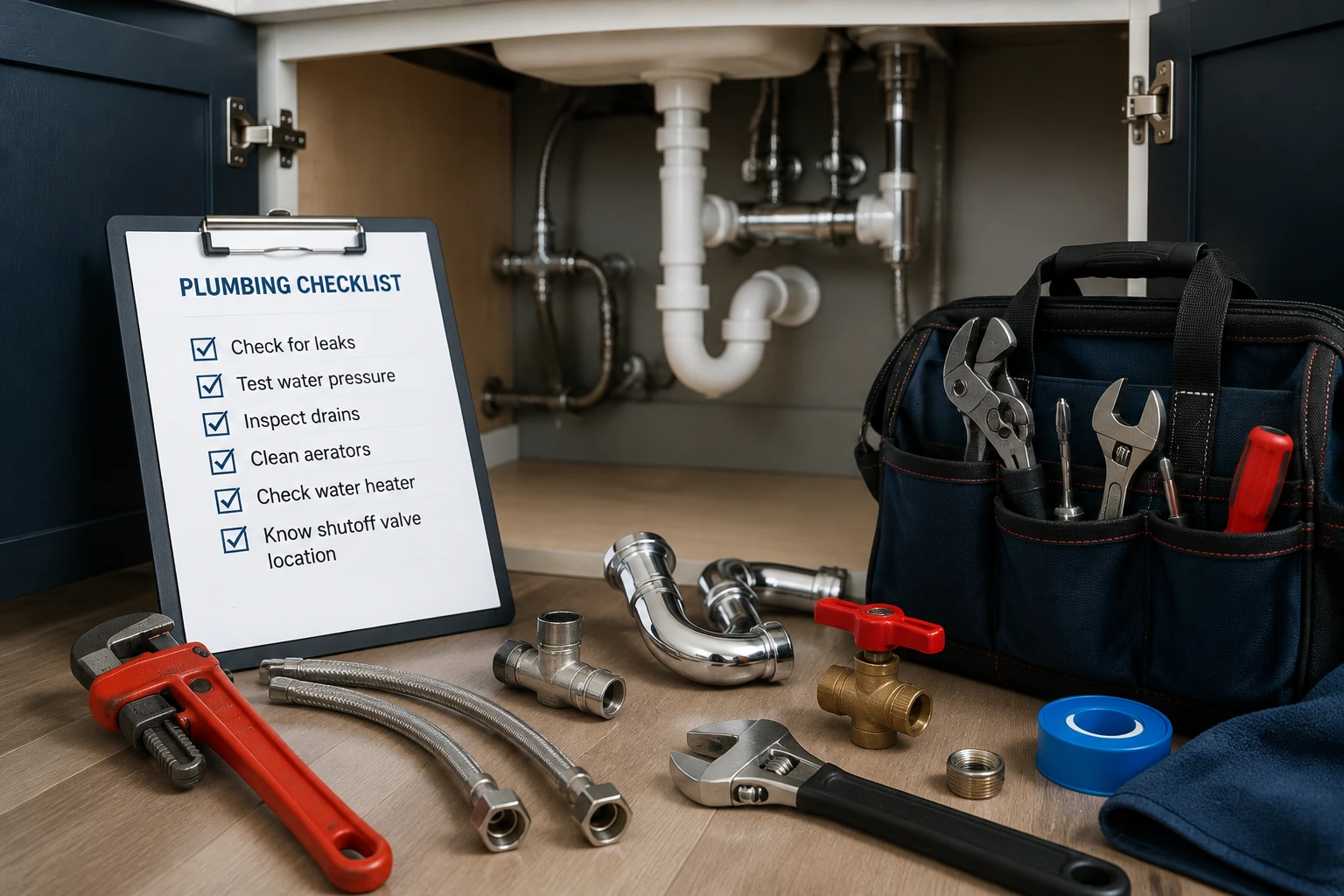
Homeowners can protect their plumbing system by:
- Checking visible pipes for leaks
- Repairing dripping faucets quickly
- Cleaning drains properly
- Avoiding harmful materials in sinks and toilets
- Monitoring water pressure
- Inspecting water heater performance
- Knowing where the main water shutoff valve is located
Small maintenance tasks can help homeowners recognize problems before they become major repairs.
For example, noticing a small amount of moisture under a sink early may allow for a simple repair instead of dealing with damaged cabinets or flooring later.
When to Schedule Professional Plumbing Service
Some plumbing problems require professional evaluation because the source is not always obvious.
A plumber should be contacted when homeowners notice:
- Repeated drain clogs
- Hidden water leaks
- Sewer backups
- No hot water
- Sudden water pressure changes
- Major pipe leaks
- Plumbing problems affecting multiple areas
Professional inspections can identify underlying issues that may not be visible during a basic check.
Keeping Your Home’s Plumbing System Working Properly
Plumbing problems are a normal part of owning a home, but many issues can be managed more effectively when homeowners recognize the warning signs early.
A dripping faucet, slow drain, running toilet, or unusual plumbing noise may seem minor, but these signs often provide valuable information about the condition of your plumbing system.
Understanding common plumbing problems allows homeowners to make better decisions about maintenance, repairs, and professional assistance.
From clogged drains and leaking pipes to water heater failures and emergency situations, addressing problems early can help protect your home and keep essential systems operating properly.
When plumbing issues require professional attention, Foukas Plumbing & Heating provides support for residential repairs, installations, and plumbing services designed around homeowner needs.