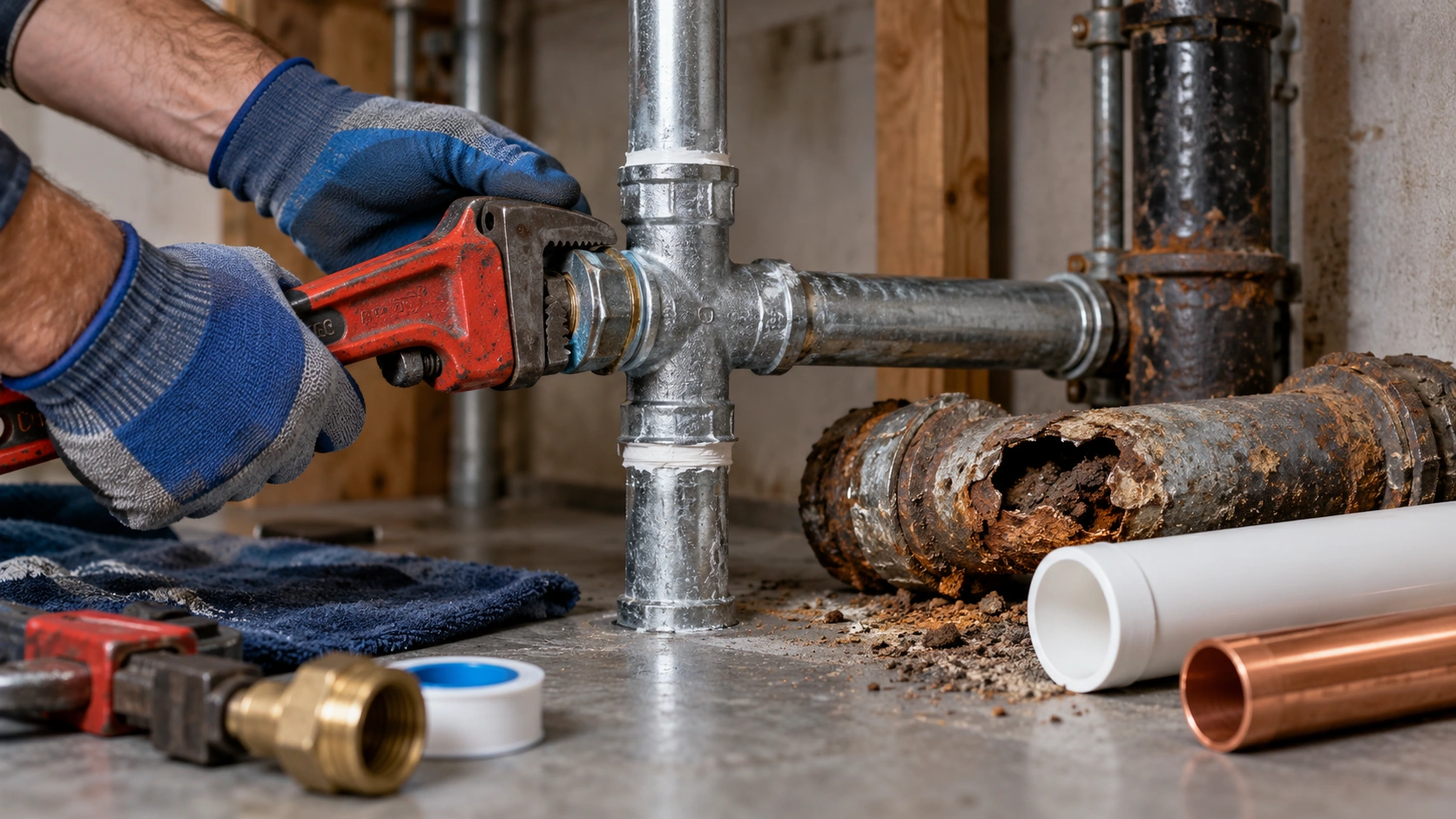


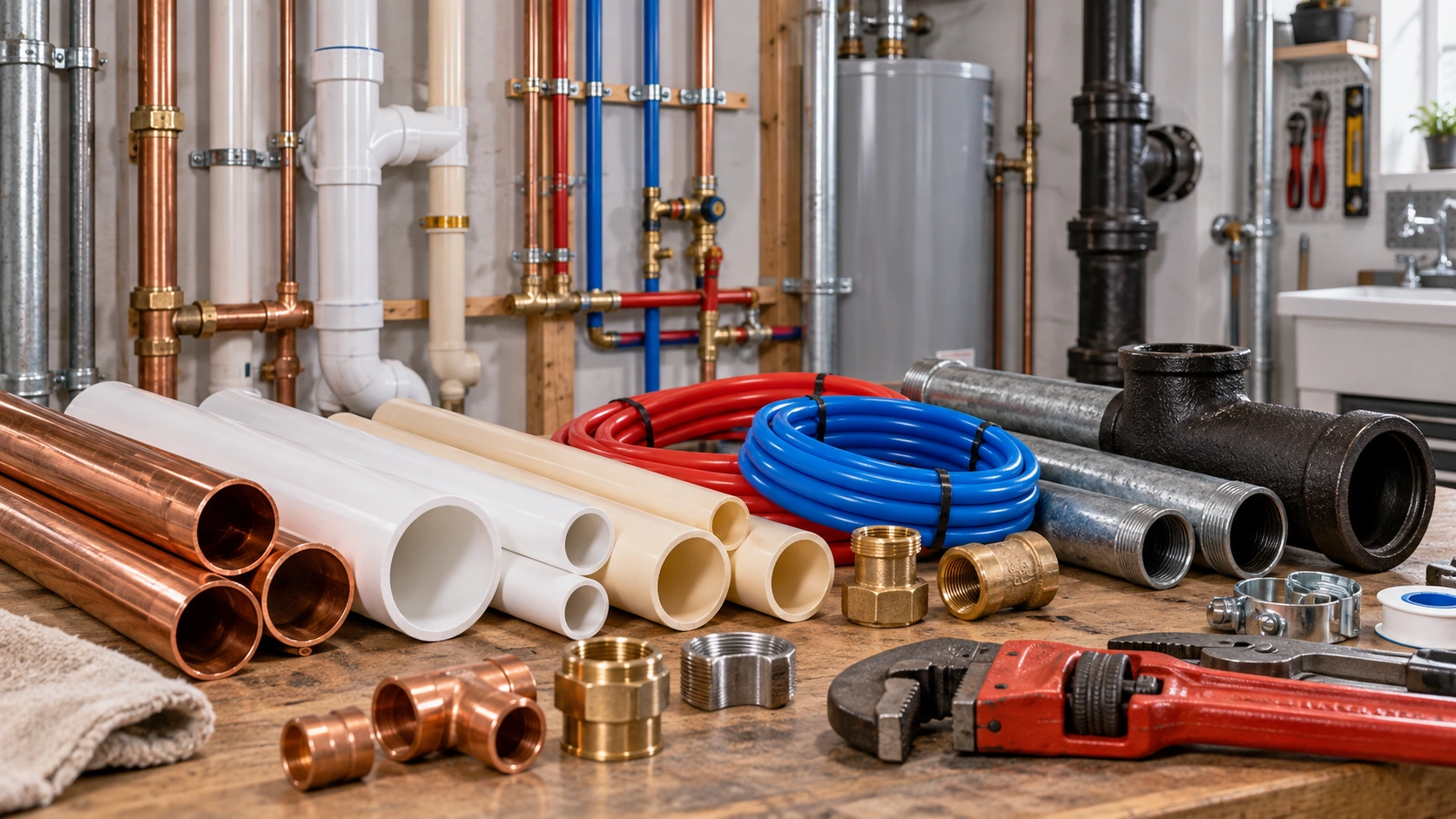
Plumbing pipes are one of the most important parts of any home, but they are often ignored until something goes wrong. Behind walls, under floors, and beneath your property, your pipes quietly deliver clean water and remove wastewater every day. Like any other part of a house, plumbing materials age over time and eventually require repair, replacement, or professional evaluation.
The lifespan of plumbing pipes depends heavily on the material installed, the quality of the installation, water conditions, maintenance, and the environment surrounding the plumbing system. A copper pipe system may continue working reliably for decades, while an older galvanized steel system may develop problems much sooner because of internal corrosion.
For homeowners, understanding how long different types of plumbing pipes last can make it easier to plan maintenance, recognize warning signs, and avoid unexpected water damage.
This guide explains the average lifespan of common plumbing pipe materials, what causes pipes to fail, how to identify aging plumbing, and when repair or replacement may be the right choice.
How Long Do Plumbing Pipes Usually Last?
Most plumbing pipes can last anywhere from 25 years to 100 years or more, depending on the material and conditions.
There is no single replacement timeline that applies to every home. A pipe’s age is only one part of the picture. A 40-year-old copper system may still be functioning well, while a much newer pipe installation may experience problems because of poor installation, unsuitable materials, or damaging water conditions.
Common plumbing pipe lifespans include:
| Pipe Material | Average Lifespan |
|---|---|
| Copper | 50 years or more |
| PEX | Around 40 to 50 years |
| CPVC | Around 40 to 50 years |
| PVC | Around 25 to 40 years |
| Galvanized Steel | Around 40 to 50 years |
| Cast Iron | Around 50 to 100 years |
These ranges are general expectations. Actual performance can vary significantly depending on how the plumbing system was installed and maintained.
A professional inspection is often the best way to understand the condition of older pipes because visible signs do not always reveal internal corrosion, buildup, or hidden leaks.
Why Plumbing Pipe Lifespan Depends on More Than Age
Many homeowners assume that pipes should automatically be replaced once they reach a certain age. While age is an important consideration, it does not tell the entire story.
Several factors influence how long plumbing pipes last.
Pipe Material and Design
Different materials respond differently to water, pressure, temperature changes, and chemicals.
For example:
- Copper is known for durability and heat resistance.
- PEX offers flexibility and resistance to many common plumbing problems.
- PVC is widely used for drainage because it does not rust.
- Galvanized steel can deteriorate internally as protective coatings wear away.
Choosing the right material for the correct application plays a major role in long-term performance.
Water Quality
The water running through pipes can affect their condition over many years.
Certain water characteristics may contribute to faster deterioration, including:
- High mineral content
- Hard water deposits
- Acidic water conditions
- Chemical imbalances
Over time, mineral buildup can reduce the internal diameter of pipes, affecting water pressure and flow.
Installation Quality
Even high-quality materials can experience problems if they are installed incorrectly.
Common installation-related issues include:
- Poor connections
- Incorrect pipe sizing
- Improper support
- Damaged fittings
- Incorrect installation methods
A properly installed plumbing system generally has a better chance of reaching its expected lifespan.
Maintenance and Repairs
Small plumbing problems often provide early warnings.
A minor leak, corrosion spot, or pressure issue may indicate a developing problem. Addressing these concerns early can prevent larger failures and more extensive repairs.
Homeowners can also explore general residential plumbing guidance through resources such as Home Plumbing Services Guide.
Plumbing Pipe Lifespan Comparison by Material
Different plumbing materials have different strengths and limitations. Understanding these differences helps homeowners make better decisions when repairing or replacing an existing system.
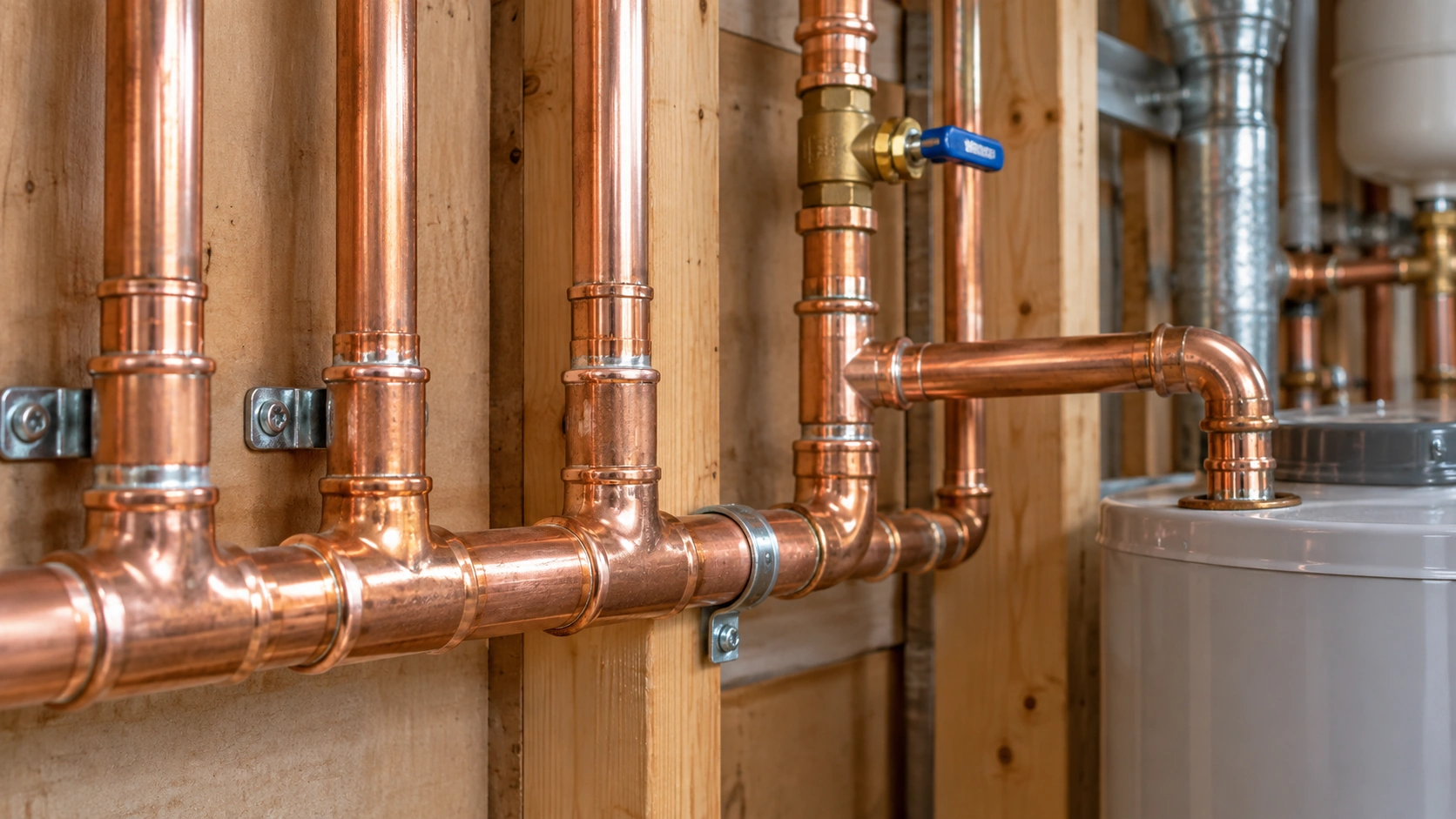
Copper Pipes
Average lifespan: 50 years or more
Copper has been one of the most widely used residential plumbing materials for many years because of its durability and reliability.
It is commonly used for:
- Drinking water supply lines
- Hot water pipes
- Cold water distribution systems
Copper performs well because it can handle temperature changes and generally resists corrosion better than many older metal materials.
However, copper pipes are not immune to problems.
Over time, homeowners may experience:
- Pinhole leaks
- Mineral buildup
- Corrosion caused by water conditions
- Aging joints and connections
A copper plumbing system that is several decades old does not automatically need replacement. The condition of the pipes matters more than the installation date alone.
When Copper Pipe Replacement May Be Needed
Replacement may become necessary when:
- Multiple leaks occur in different areas
- Corrosion is widespread
- Repairs become frequent
- Water quality concerns develop
A professional plumber can determine whether targeted repairs are enough or whether replacement provides a better long-term solution.
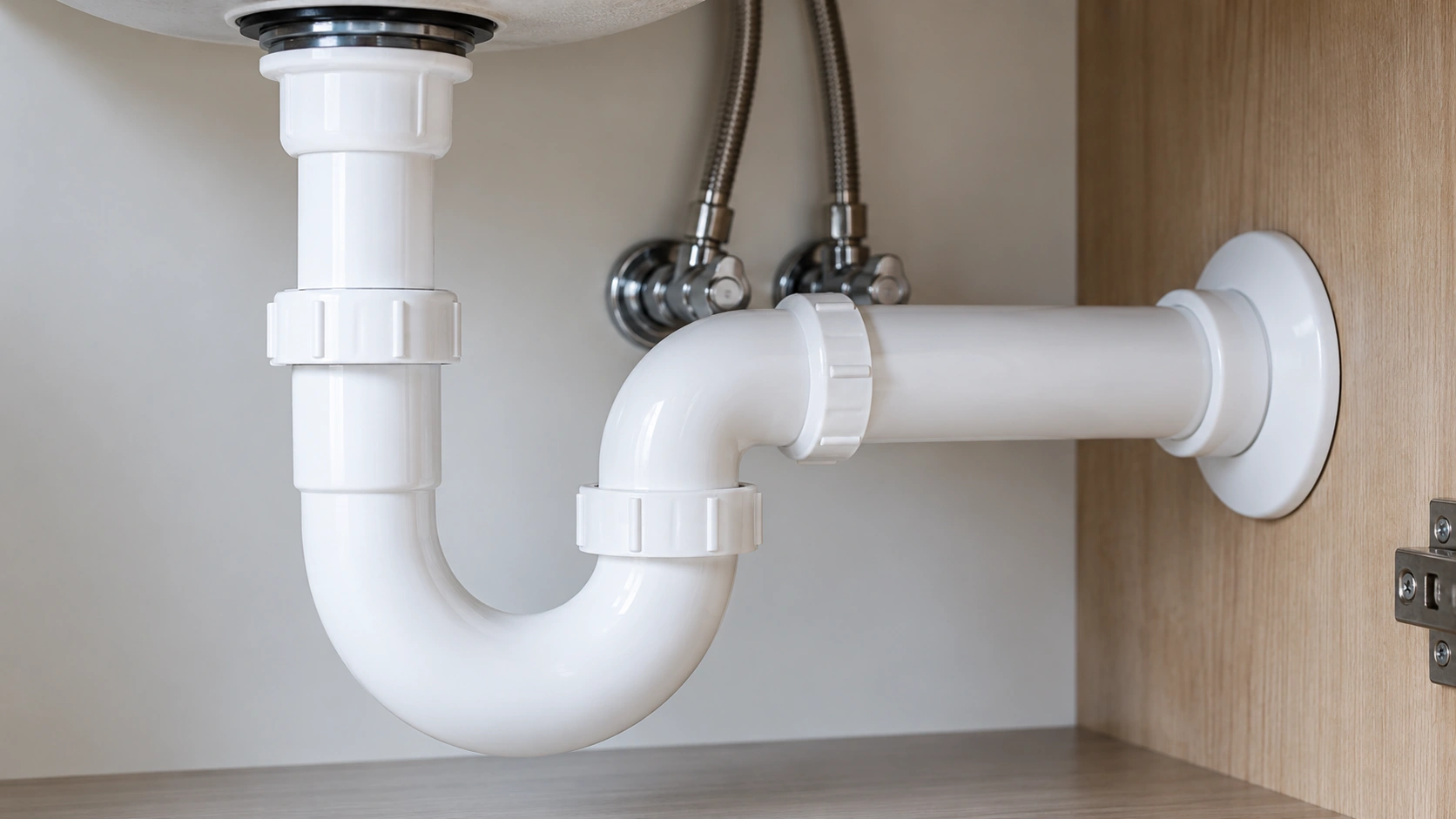
PVC Pipes
Average lifespan: 25 to 40 years
PVC (polyvinyl chloride) pipes are commonly used in drainage, waste, and vent systems.
Unlike metal pipes, PVC does not rust, which makes it useful for many residential drainage applications.
Benefits of PVC include:
- Resistance to corrosion
- Lightweight construction
- Easy modification and repairs
- Long service life when properly installed
However, PVC can still develop issues over time.
Potential problems include:
- Cracks from impact
- Joint failures
- Damage from improper installation
- Aging connections
PVC is often found in newer homes and replacement plumbing projects because of its practical installation advantages.
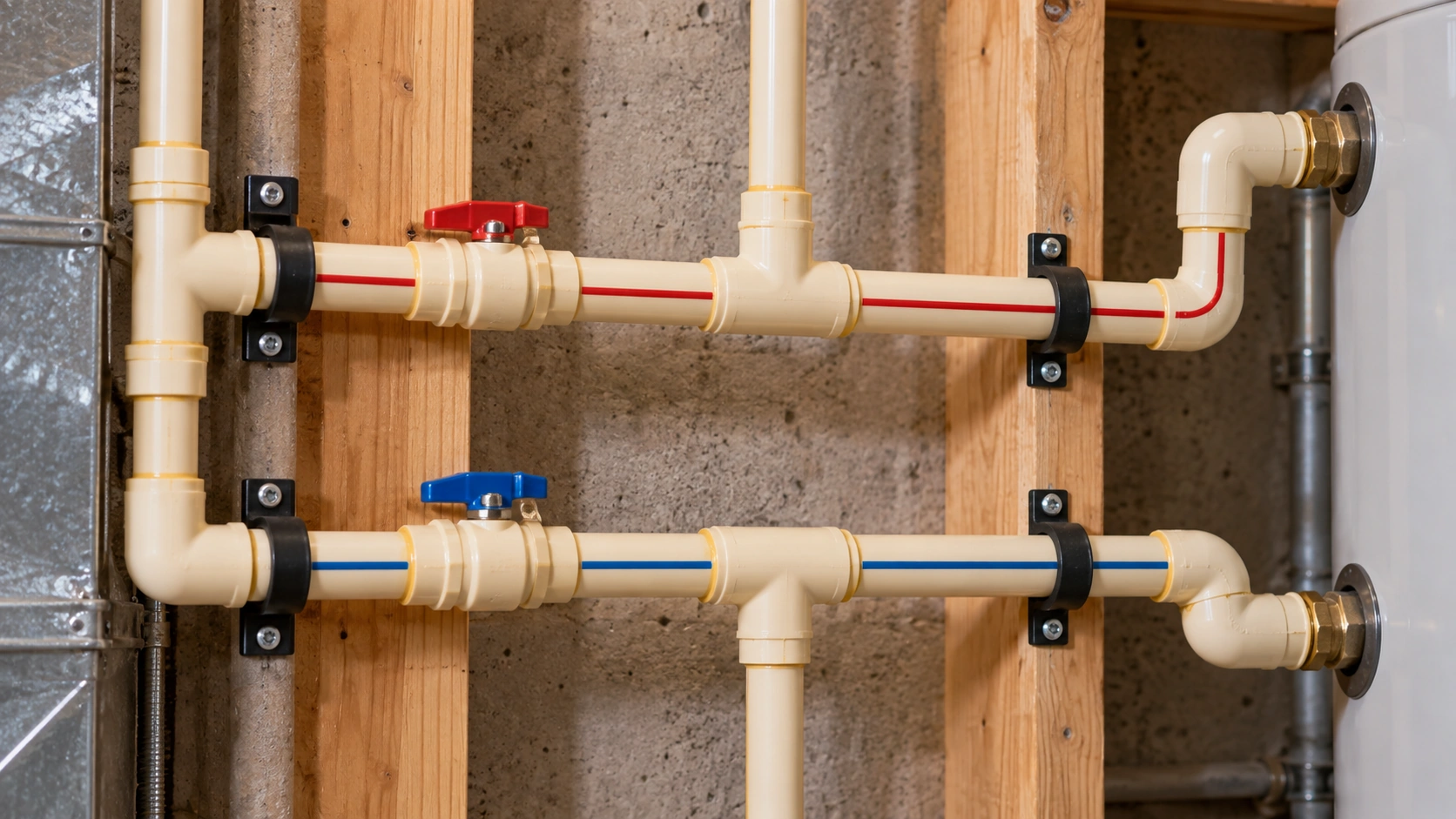
CPVC Pipes
Average lifespan: Around 40 to 50 years
CPVC (chlorinated polyvinyl chloride) pipes became popular for residential plumbing because they can handle both hot and cold water applications. Unlike standard PVC, CPVC is designed to tolerate higher temperatures, making it suitable for indoor water supply systems.
Many homes use CPVC for:
- Hot water distribution
- Cold water supply lines
- Residential plumbing replacements
- Interior water piping
One of the main advantages of CPVC is that it does not rust or corrode like traditional metal pipes. This can help it maintain reliable performance for many years.
However, CPVC can become more vulnerable as it ages. Over time, the material may become less flexible and more likely to crack if exposed to stress.
Common CPVC problems include:
- Cracks around fittings
- Brittle sections of pipe
- Leaks at connection points
- Damage from improper installation
A CPVC system that is reaching the end of its expected lifespan may not fail all at once. Instead, homeowners may notice occasional leaks or repeated repairs in different areas.
If an older CPVC system begins developing frequent problems, evaluating the condition of the entire plumbing network may be more practical than repairing one section at a time.
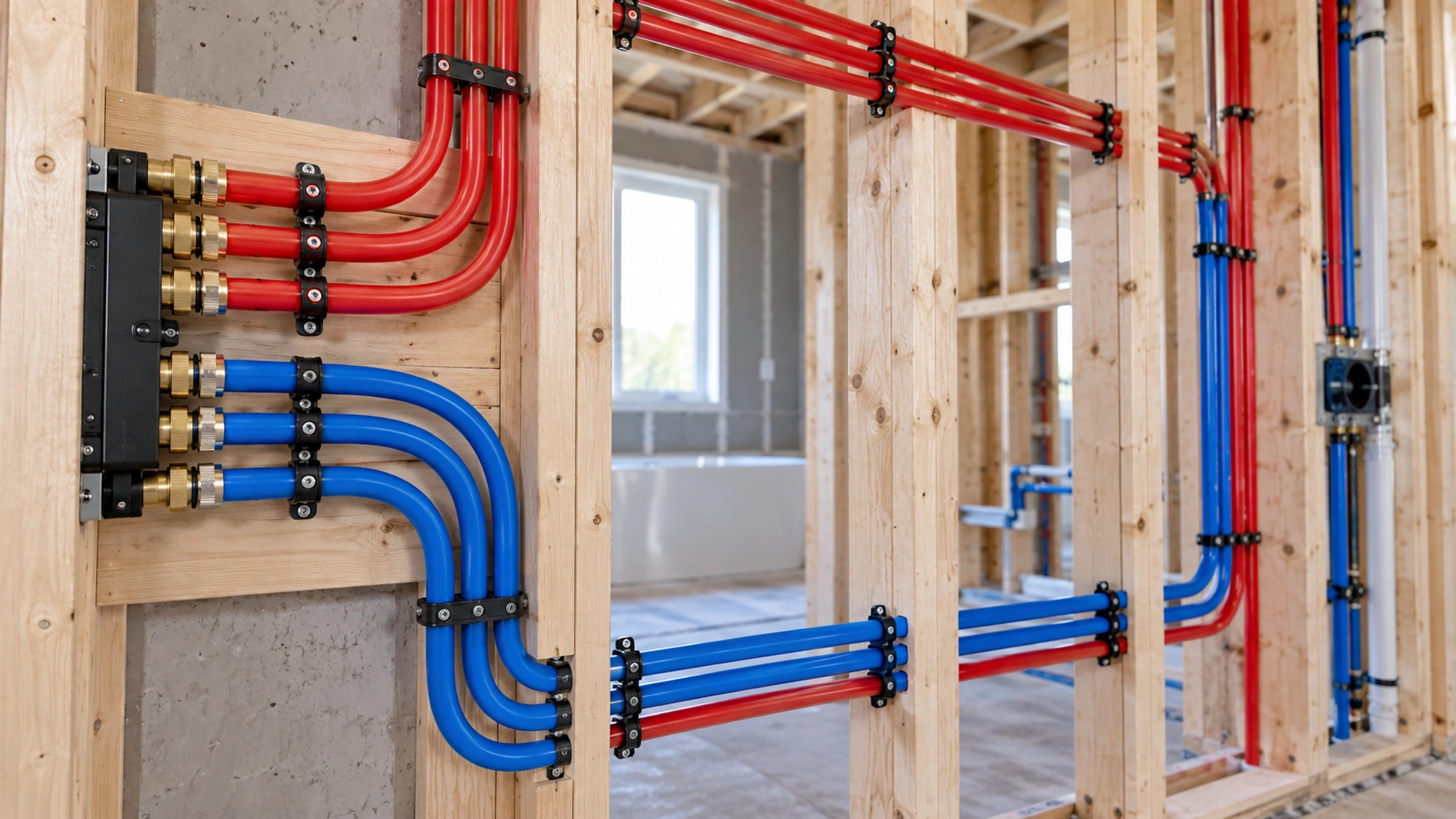
PEX Pipes
Average lifespan: Around 40 to 50 years
PEX (cross-linked polyethylene) has become a common choice for modern plumbing installations because of its flexibility and resistance to many common plumbing challenges.
Unlike rigid materials such as copper or steel, PEX can bend around obstacles, which often reduces the number of connections needed during installation.
PEX is commonly used for:
- Residential water supply lines
- Hot and cold water distribution
- Plumbing renovations
- New construction projects
Some advantages of PEX include:
- Flexibility during installation
- Resistance to corrosion
- Fewer connection points
- Better tolerance of freezing conditions compared with some rigid pipes
However, PEX still requires proper installation and protection.
Potential issues include:
- Damage from prolonged sunlight exposure
- Improper fittings
- Installation mistakes
- Physical damage after installation
PEX performance depends heavily on using the correct materials and installation methods. A properly installed PEX system can provide reliable service for decades.
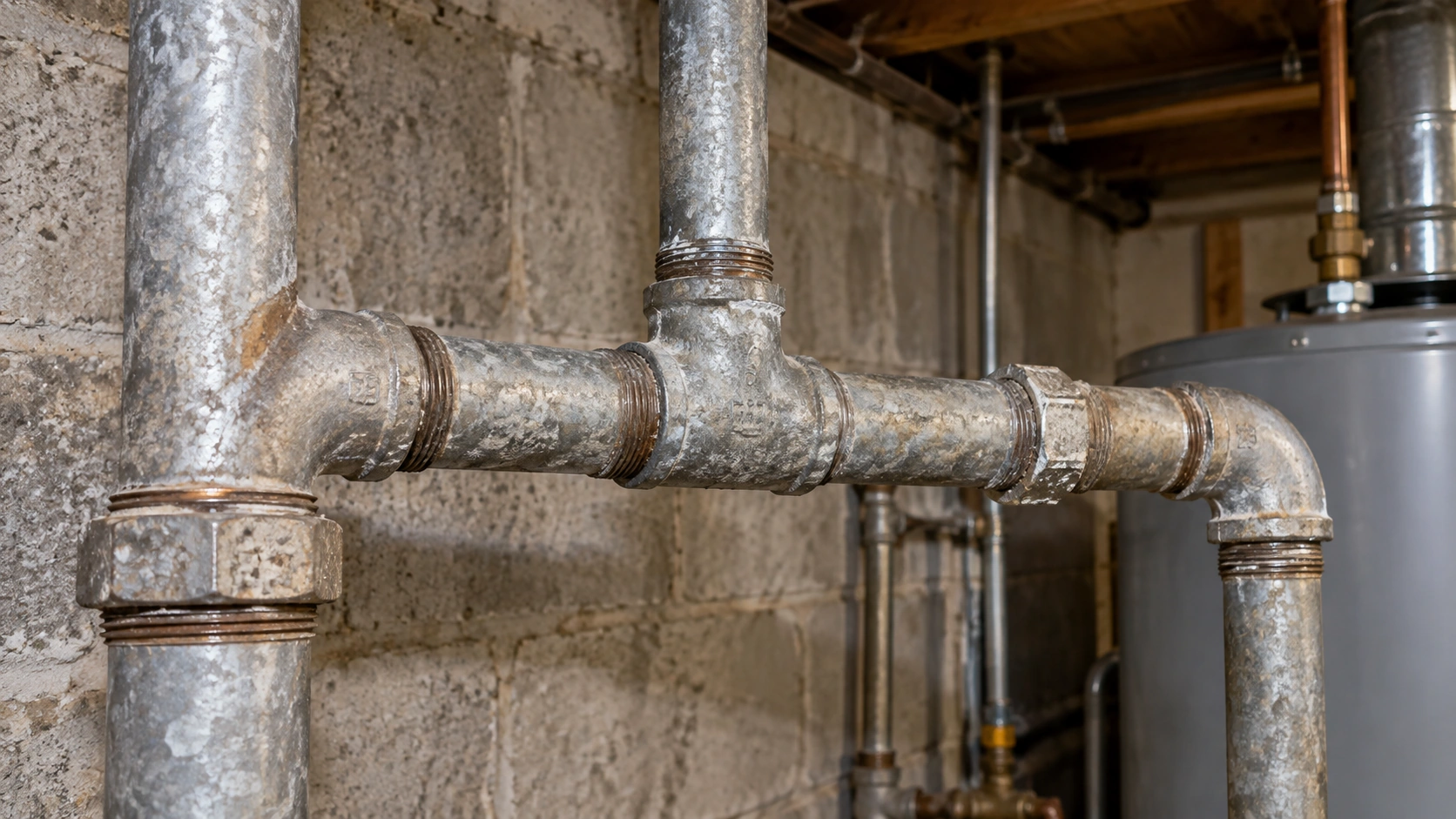
Galvanized Steel Pipes
Average lifespan: Around 40 to 50 years
Galvanized steel pipes were commonly installed in older homes before newer plumbing materials became widely available.
These pipes are made from steel coated with zinc, which was intended to protect the metal from corrosion. Over time, however, the zinc coating can wear away, allowing rust and corrosion to develop inside the pipe.
The biggest challenge with galvanized pipes is that deterioration often starts internally.
A pipe may appear acceptable from the outside while the inside has already developed:
- Rust buildup
- Reduced water flow
- Mineral deposits
- Internal corrosion
Common signs of aging galvanized pipes include:
- Low water pressure
- Brown or rusty colored water
- Frequent leaks
- Uneven water flow
- Visible rust around connections
Many older homes still have sections of galvanized plumbing. If these pipes begin causing repeated issues, homeowners often consider replacement instead of continuing temporary repairs.
For plumbing systems experiencing repeated failures, professional evaluation and repair options such as Plumbing Repairs can help identify the best approach.
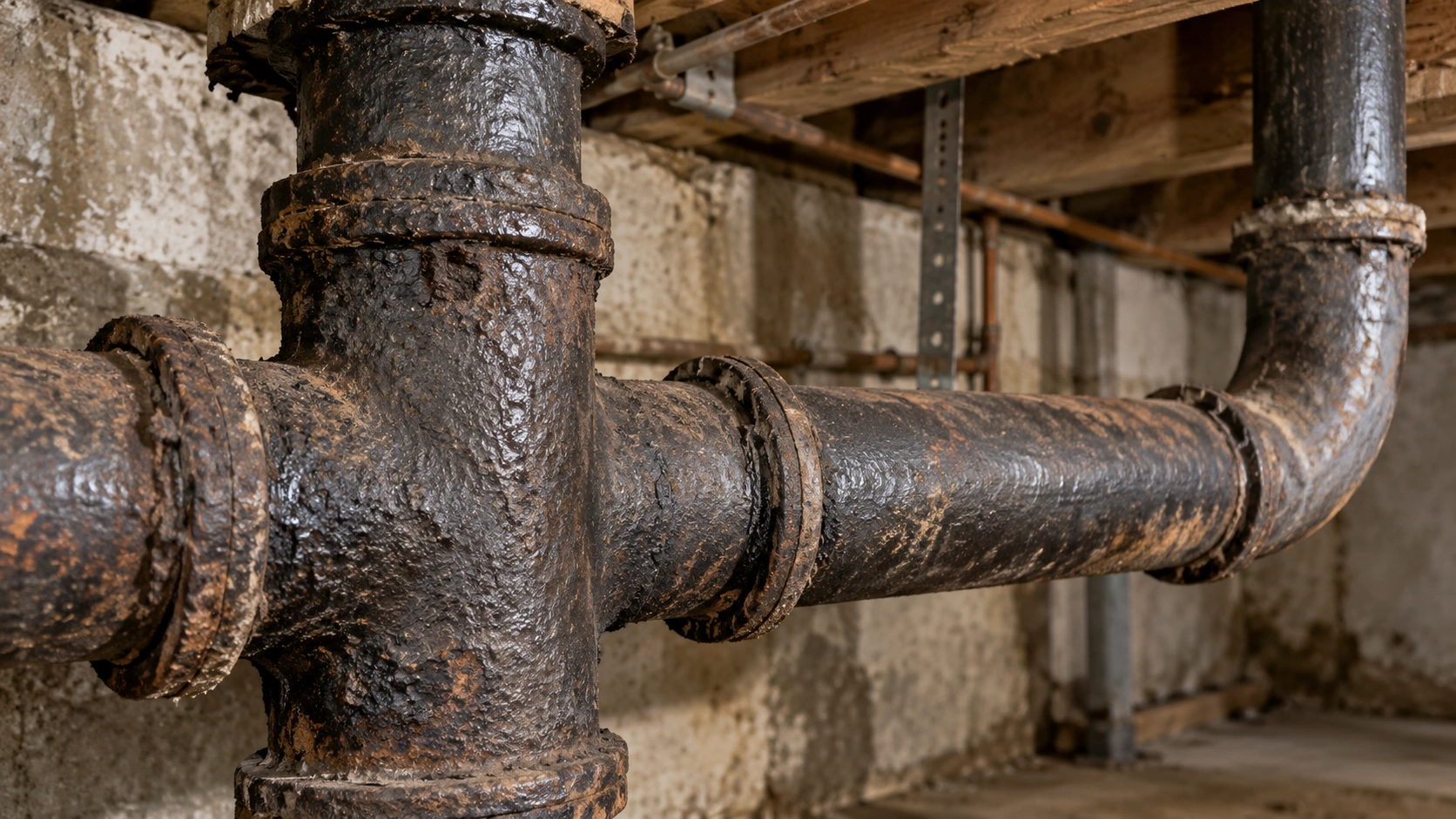
Cast Iron Pipes
Average lifespan: Around 50 to 100 years
Cast iron pipes are known for their strength and were widely used for underground sewer lines and drainage systems.
Many older homes still have cast iron drain piping because the material was built to handle heavy use. However, decades of exposure to moisture, soil conditions, and wastewater can eventually lead to deterioration.
Common problems with aging cast iron pipes include:
- Internal rust buildup
- Cracks
- Corrosion
- Sewer leaks
- Drainage problems
Warning signs may include:
- Slow drains throughout the home
- Frequent backups
- Sewer odors
- Wet areas near underground pipes
- Unusual sounds from drainage systems
Because cast iron pipes are often hidden underground or behind walls, problems may not become obvious until deterioration has progressed.
A professional inspection, including methods such as sewer camera inspections, can help determine the condition of older drainage systems before major damage occurs.
Which Plumbing Pipe Material Lasts the Longest?
There is no single pipe material that is perfect for every situation. The longest-lasting option depends on where the pipe is installed, how it is used, and how well it is maintained.
A general comparison:
| Pipe Material | Common Use | Expected Lifespan | Main Concern |
|---|---|---|---|
| Copper | Water supply lines | 50+ years | Corrosion and pinhole leaks |
| PEX | Water distribution | 40 to 50 years | Installation quality |
| CPVC | Hot and cold water | 40 to 50 years | Aging and brittleness |
| PVC | Drainage systems | 25 to 40 years | Cracks and joint issues |
| Galvanized Steel | Older water systems | 40 to 50 years | Internal corrosion |
| Cast Iron | Drain and sewer lines | 50 to 100 years | Rust and deterioration |
The right choice depends on the specific plumbing application, existing system condition, budget, and long-term goals.
Signs Your Plumbing Pipes May Need Replacement
Aging pipes do not always fail without warning. Many plumbing problems provide clues before a major leak occurs.
Homeowners should pay attention to signs such as:
Frequent Pipe Leaks
One isolated leak does not always mean the entire system needs replacement. However, repeated leaks in different areas may indicate that the plumbing materials are deteriorating.
Discolored Water
Brown, yellow, or rusty water can sometimes indicate corrosion inside older pipes.
While temporary discoloration can occur after certain plumbing work, ongoing discoloration should be evaluated.
Low Water Pressure
Reduced water pressure may happen because of:
- Mineral buildup inside pipes
- Corrosion restricting flow
- Pipe damage
- Plumbing system issues
Older galvanized pipes are especially known for developing internal restrictions over time.
Strange Pipe Noises
Sounds such as banging, knocking, or unusual vibrations may indicate issues with water pressure, pipe movement, or installation problems.
Visible Corrosion or Damage
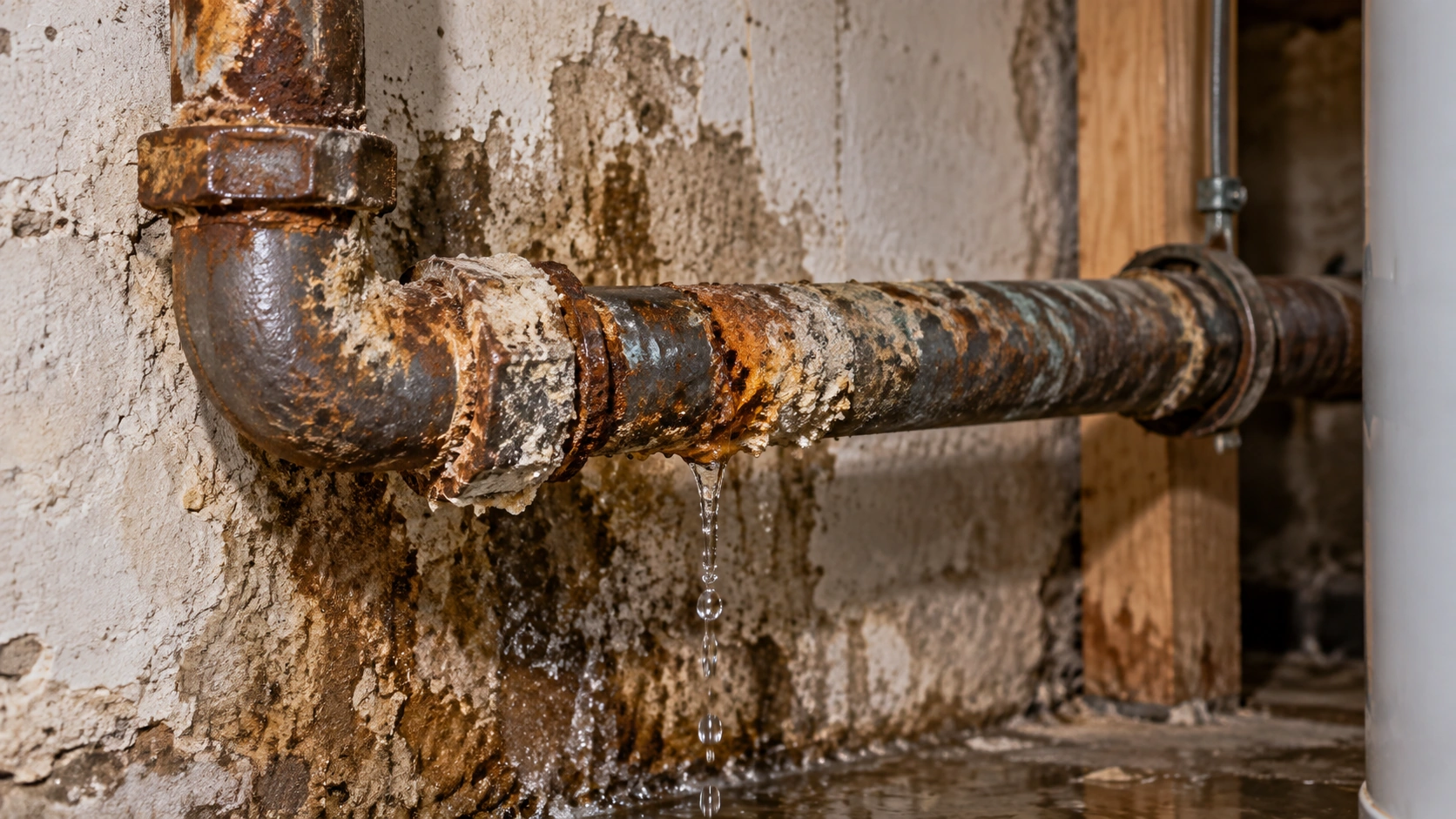
Visible rust, cracks, moisture, or water stains around plumbing areas should not be ignored.
Even a small visible problem can sometimes indicate a larger issue behind walls or under floors.