
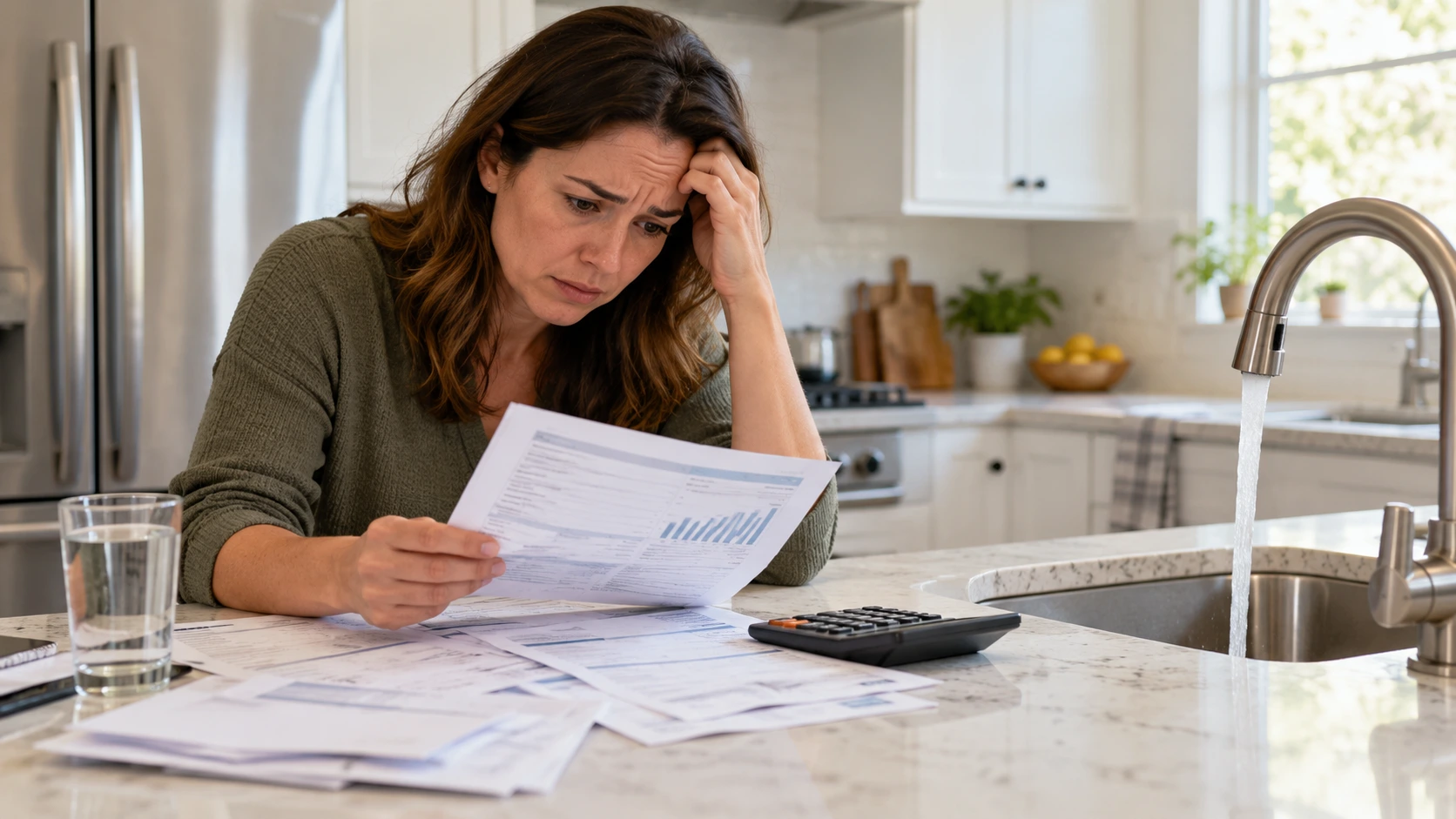
An unusually high water bill can be frustrating, especially when nothing about your daily routine seems different. You may be taking the same showers, running the same appliances, and using the same amount of water outside, yet the bill suddenly jumps.
Sometimes the explanation is simple, such as increased household water use or a billing adjustment. In other cases, a higher bill can point to a plumbing leak that has been quietly wasting water for days or weeks.
Finding the cause starts with separating normal changes in water use from plumbing problems. A few basic checks can often narrow down where the extra water is going and help you decide whether professional residential plumbing services are needed.
Why Can a Water Bill Suddenly Increase?
A higher bill usually means one of two things happened: more water passed through the meter, or the way the utility calculated the bill changed.
Before assuming something is leaking, compare the current bill with previous billing periods. Check the number of days included, the meter readings, and whether the bill was based on an actual meter reading or an estimate.
Household changes can also make a noticeable difference. Guests staying for several days, more frequent laundry, filling a pool, watering a lawn, or spending more time at home can increase usage without immediately standing out.
When there is no obvious explanation, plumbing problems become more important to investigate.
A leak does not have to leave a puddle on the floor. Water may be escaping inside a toilet, behind a wall, below a floor, around an underground water line, or from equipment that homeowners rarely inspect.
That is why an unexplained increase is worth checking rather than simply assuming the next bill will return to normal.
Check the Water Meter Before Searching the House
Your water meter can provide one of the clearest clues about whether water is being used when it shouldn’t be.
Start by turning off faucets, showers, dishwashers, washing machines, irrigation systems, and other water-using fixtures or appliances. Make sure nobody uses water during the test.
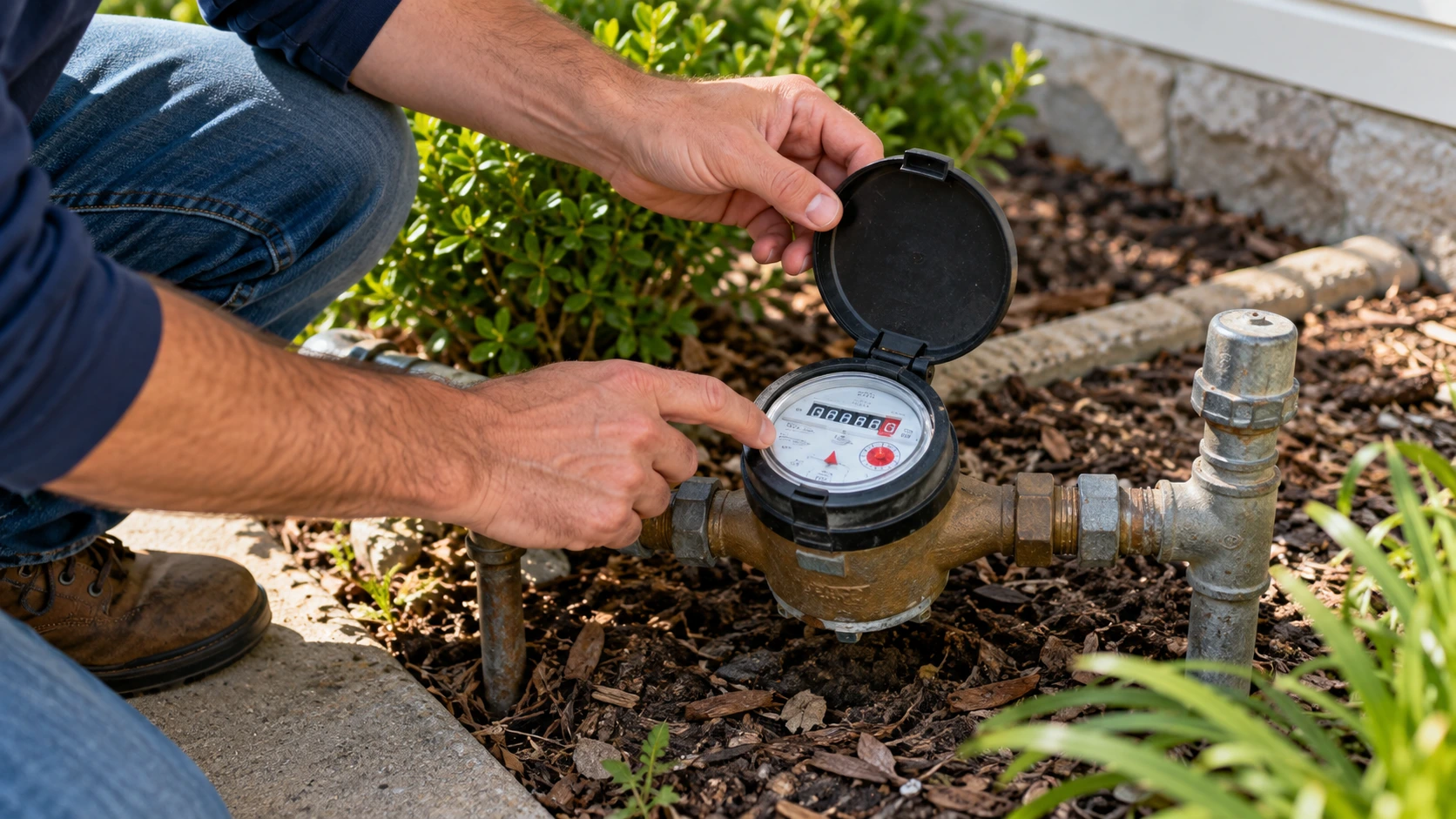
Then look at the meter.
Some meters display a small leak indicator, while others simply show whether water continues to register. Record the reading and check it again after a period when no water has intentionally been used.
If the reading changes, water is likely moving somewhere in the plumbing system.
That does not immediately tell you where the problem is, but it gives you an important starting point. Professional leak detection services can then help locate leaks that are not visible during a normal inspection.
If the meter does not move, review recent household water use and the utility bill itself before assuming the plumbing system is responsible.
Hidden Plumbing Leaks Can Waste Water Without Obvious Damage
Many homeowners expect a plumbing leak to involve dripping ceilings, wet floors, or water collecting beneath a fixture. Some leaks are much less obvious.
A small pipe leak inside a wall can continue for an extended period before moisture becomes visible. Underground leaks may never appear inside the home at all.
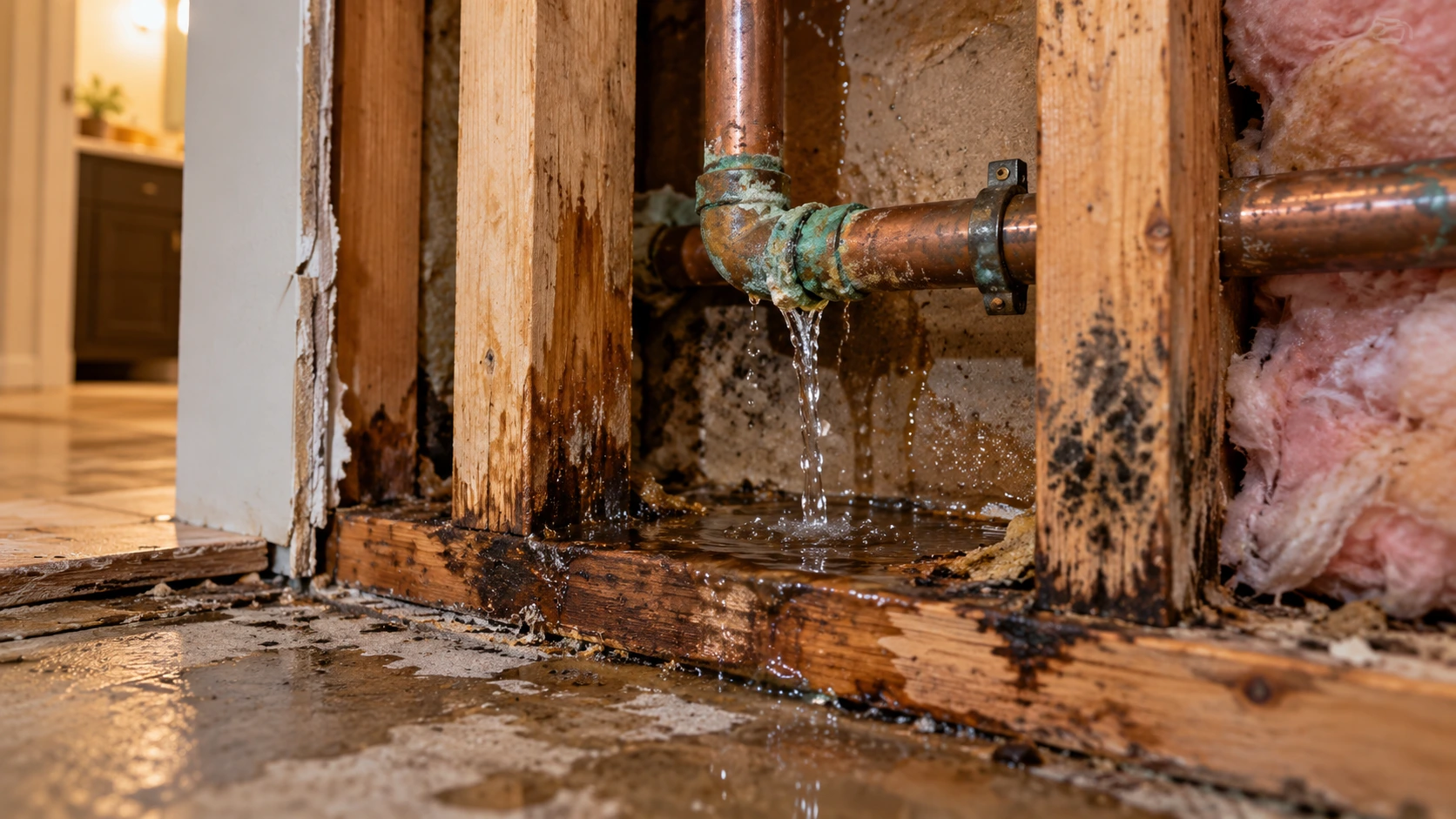
Other signs may appear first, including:
- Damp or discolored drywall
- Musty odors
- Unexplained moisture near cabinets or flooring
- Water stains that slowly become larger
- Soft or damaged flooring
- The sound of water when fixtures are off
- Unusual meter activity
- Reduced water pressure in some situations
A high bill combined with one or more of these symptoms gives you more reason to investigate the plumbing.
Ignoring an active leak can create two separate problems. You may continue paying for water you are not intentionally using, while moisture can also damage materials around the leaking pipe.
Once the source has been identified, appropriate plumbing repairs can address the actual fault rather than simply treating visible water damage.
A Running Toilet May Be Using More Water Than You Realize
Toilets are easy to overlook because a leak inside the tank does not necessarily create water on the bathroom floor.
Water can slowly move from the tank into the bowl if internal components are no longer sealing correctly. The toilet then refills repeatedly to replace the lost water.
Sometimes you can hear it running. Other times the leak is nearly silent.
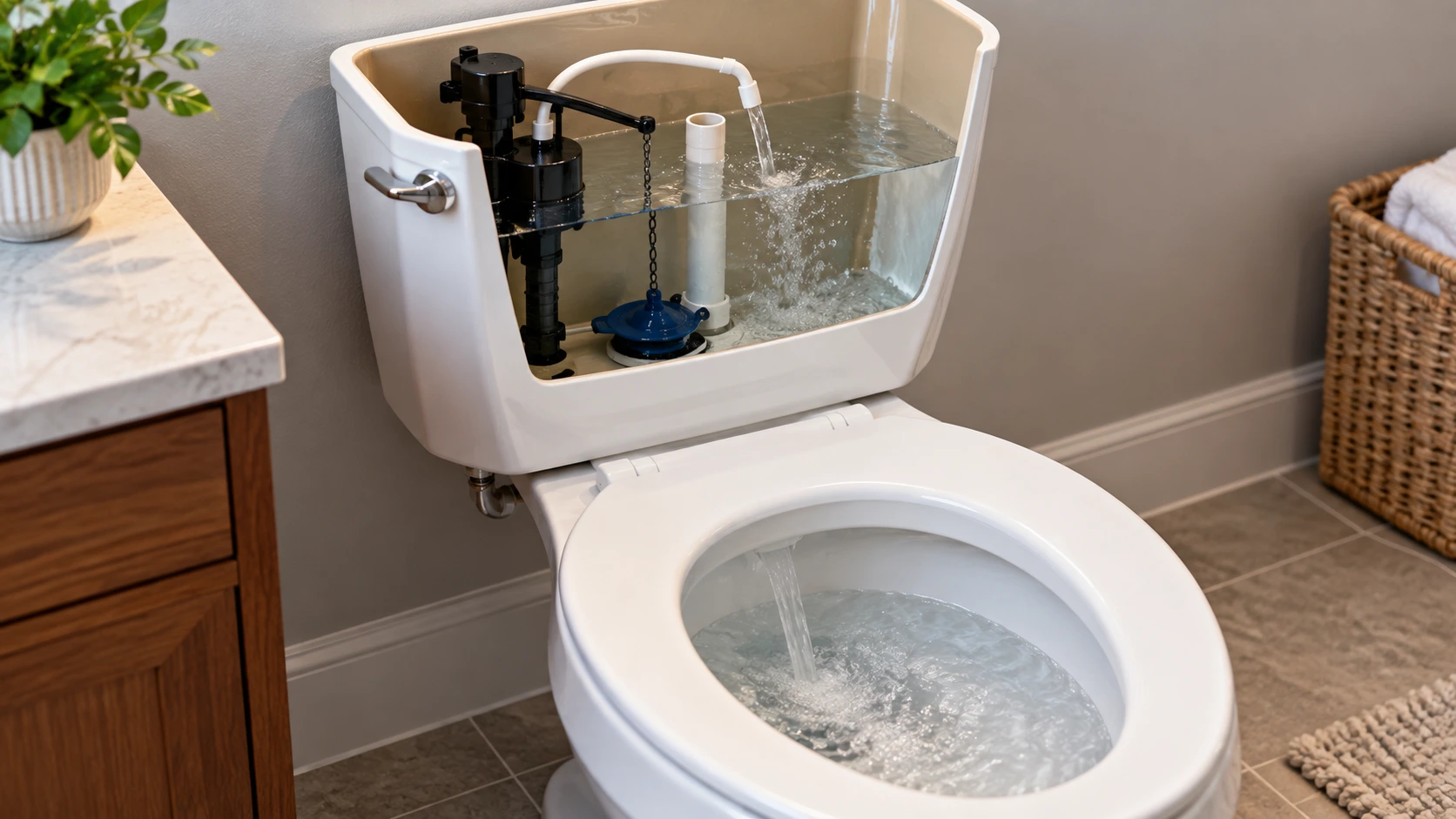
Watch for Repeated Refilling
If the toilet occasionally refills even though nobody recently flushed it, water may be escaping from the tank.
Listen when the bathroom is quiet. A short refill cycle that appears without anyone using the toilet is worth investigating.
Check the Tank Components
A worn flapper, improperly adjusted fill valve, damaged seal, or related tank component can allow continuous water loss.
Homeowners who are comfortable performing a basic check can place a small amount of food coloring into the toilet tank without flushing. If colored water later appears in the bowl, water is passing from the tank when it should remain sealed.
Inspect Around the Toilet Too
Internal leaks are not the only concern.
Look around the base, supply connection, shutoff valve, and nearby flooring for moisture. Problems involving toilets, showers, sinks, and other bathroom fixtures can be evaluated through professional bathroom plumbing services.
Even a toilet that appears to function normally deserves attention when the household’s water use suddenly increases without explanation.
Dripping Faucets and Fixture Problems Can Add Up
One dripping faucet may not seem serious when compared with a burst pipe, but persistent leaks are still worth fixing.
Kitchen faucets, bathroom faucets, shower valves, outdoor hose connections, and other fixtures all contain seals and components that can wear over time.
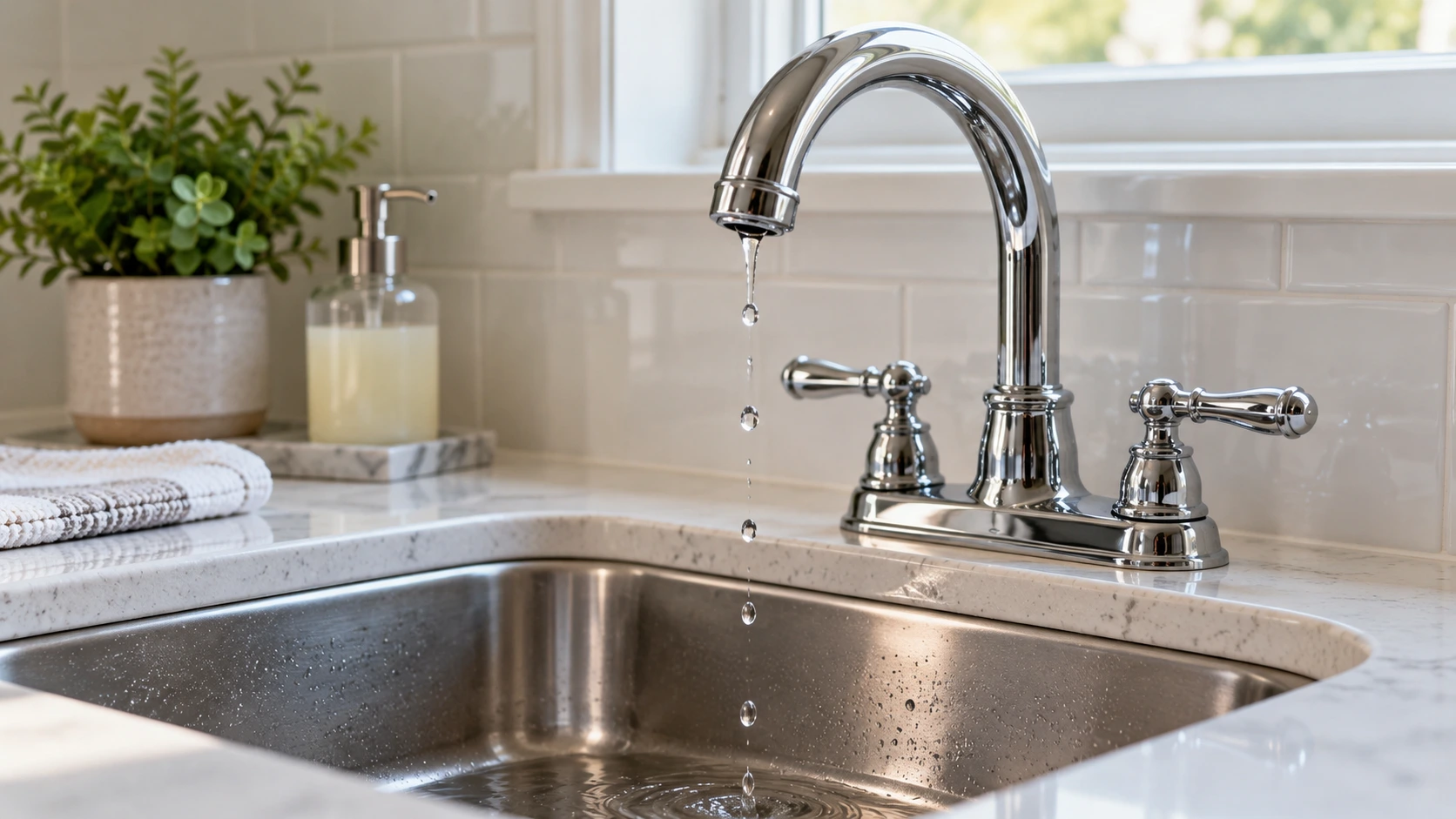
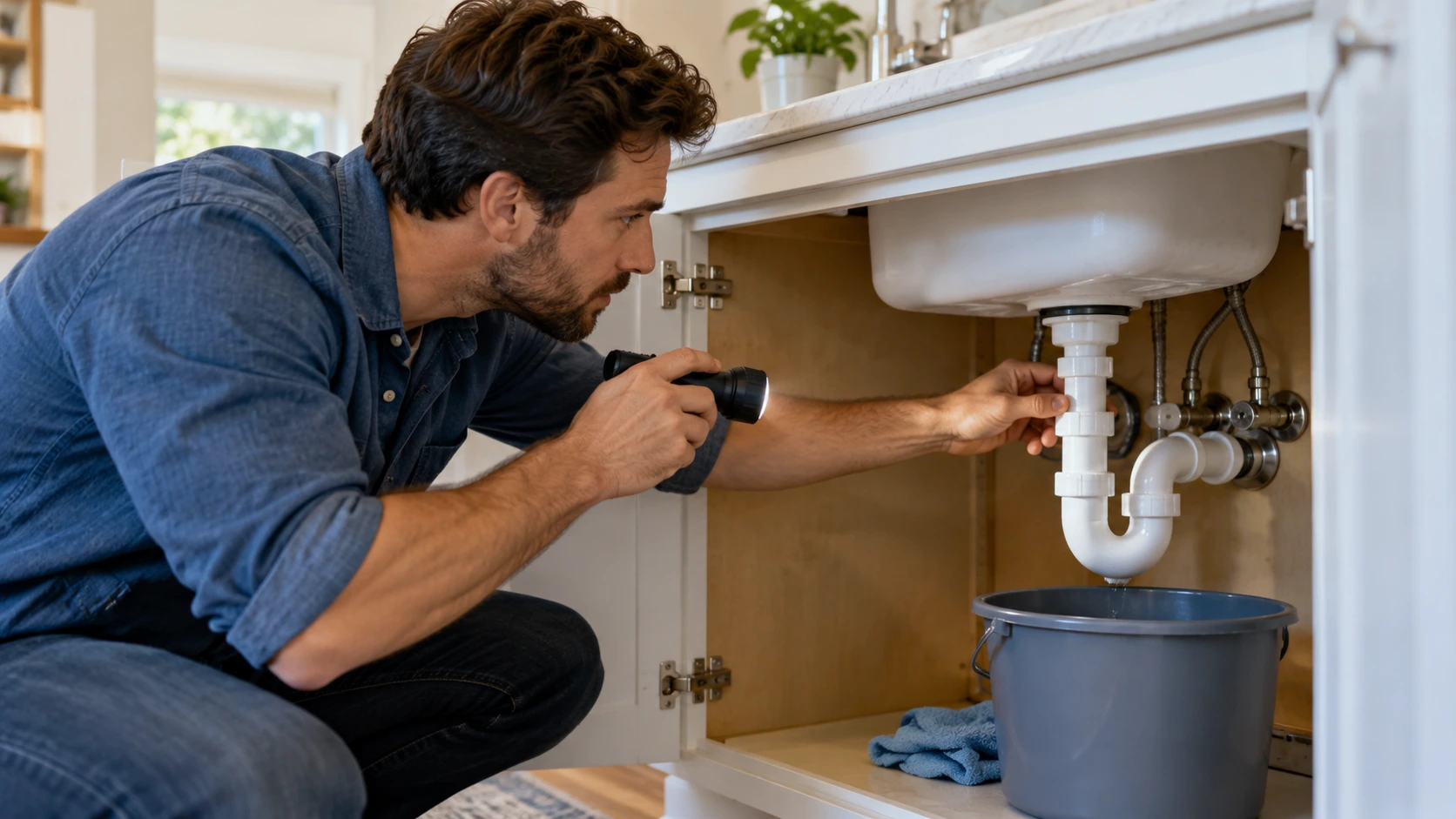
A visible drip is easy to notice. Slow leaks beneath sinks can be harder to catch because water may collect inside a cabinet or run along a pipe before becoming visible.
Inspect areas beneath kitchen and bathroom sinks for:
- Moisture around supply connections
- Damp cabinet surfaces
- Mineral deposits around fittings
- Corrosion
- Water marks
- Drips from valves or flexible supply lines
Kitchen plumbing deserves particular attention because faucets, dishwashers, refrigerators, garbage disposals, and water supply connections may all be located in the same area. If the source appears to be in the kitchen, kitchen plumbing services can help determine which component needs attention.
Older or damaged faucets may sometimes require repair, while other situations make replacement more practical. When replacement is appropriate, proper fixture installation helps make sure connections, valves, and fittings are installed correctly.
Underground Water Line Problems Can Be Hard to Spot
The water line supplying your home can also develop a leak.
Because much of the line may be underground, the water may escape before it ever reaches a faucet or appliance. That can make these leaks especially confusing when the bill increases but everything inside the house appears dry.
Possible warning signs include unusually wet areas outdoors, soil that stays damp without an obvious reason, unexplained water near the foundation, or a meter that continues registering usage when indoor fixtures are off.
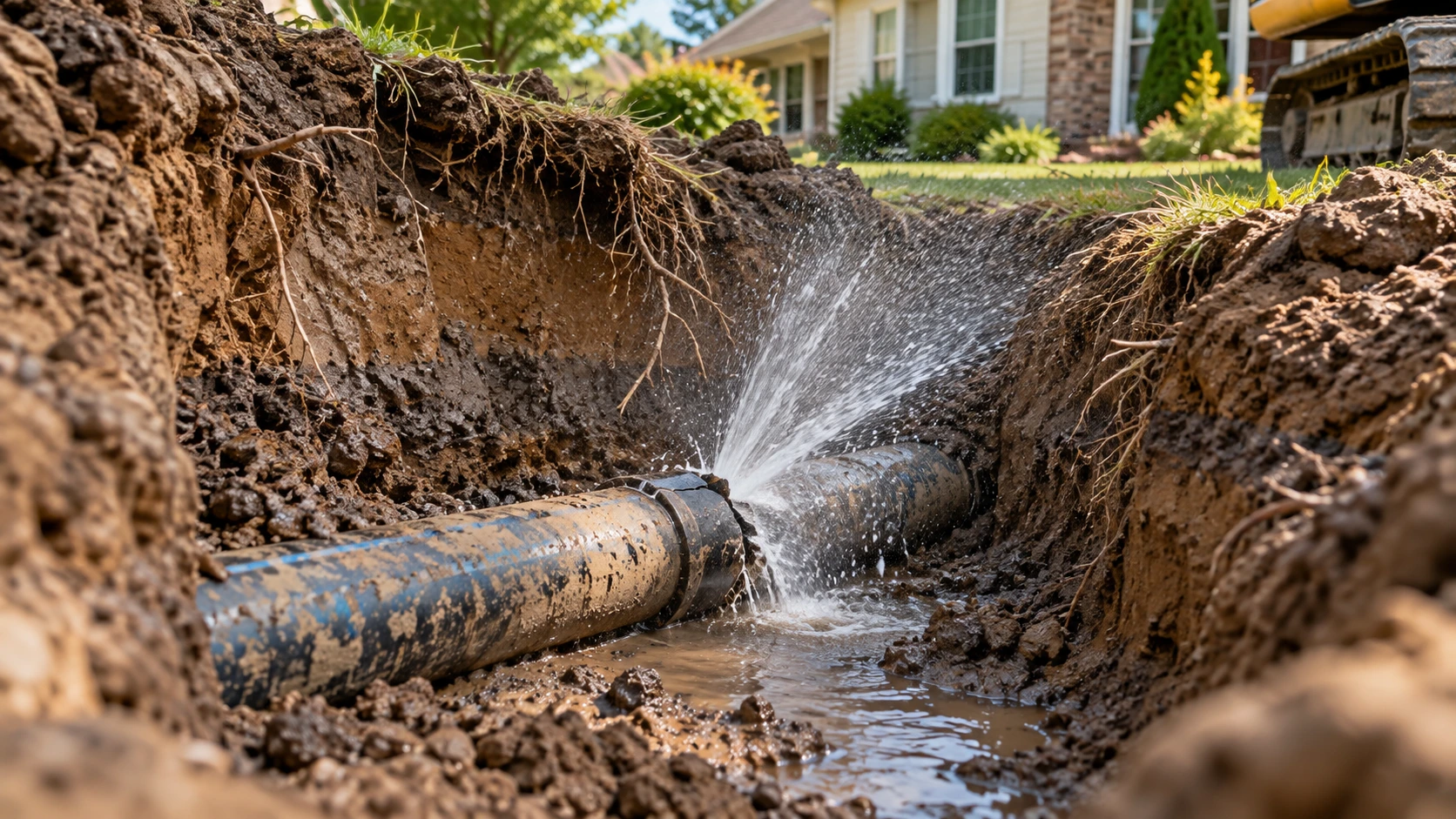
Some water line problems may also affect water pressure, although pressure changes can have several other causes.
If the suspected leak is between the meter and the home, professional water line services can help determine where the problem is occurring and what type of repair may be appropriate.
Avoid digging randomly in an attempt to find the leak. Water lines may run near other underground utilities, and the visible wet area is not always directly above the damaged section.
Water Heater Leaks Can Increase Water Use Too
Water heaters are another place homeowners may not immediately associate with an unusually high water bill.
A leaking tank, fitting, connection, drain valve, or related plumbing component can allow water to escape continuously.
Check around the base of the water heater for moisture. Also inspect visible connections and the surrounding floor.
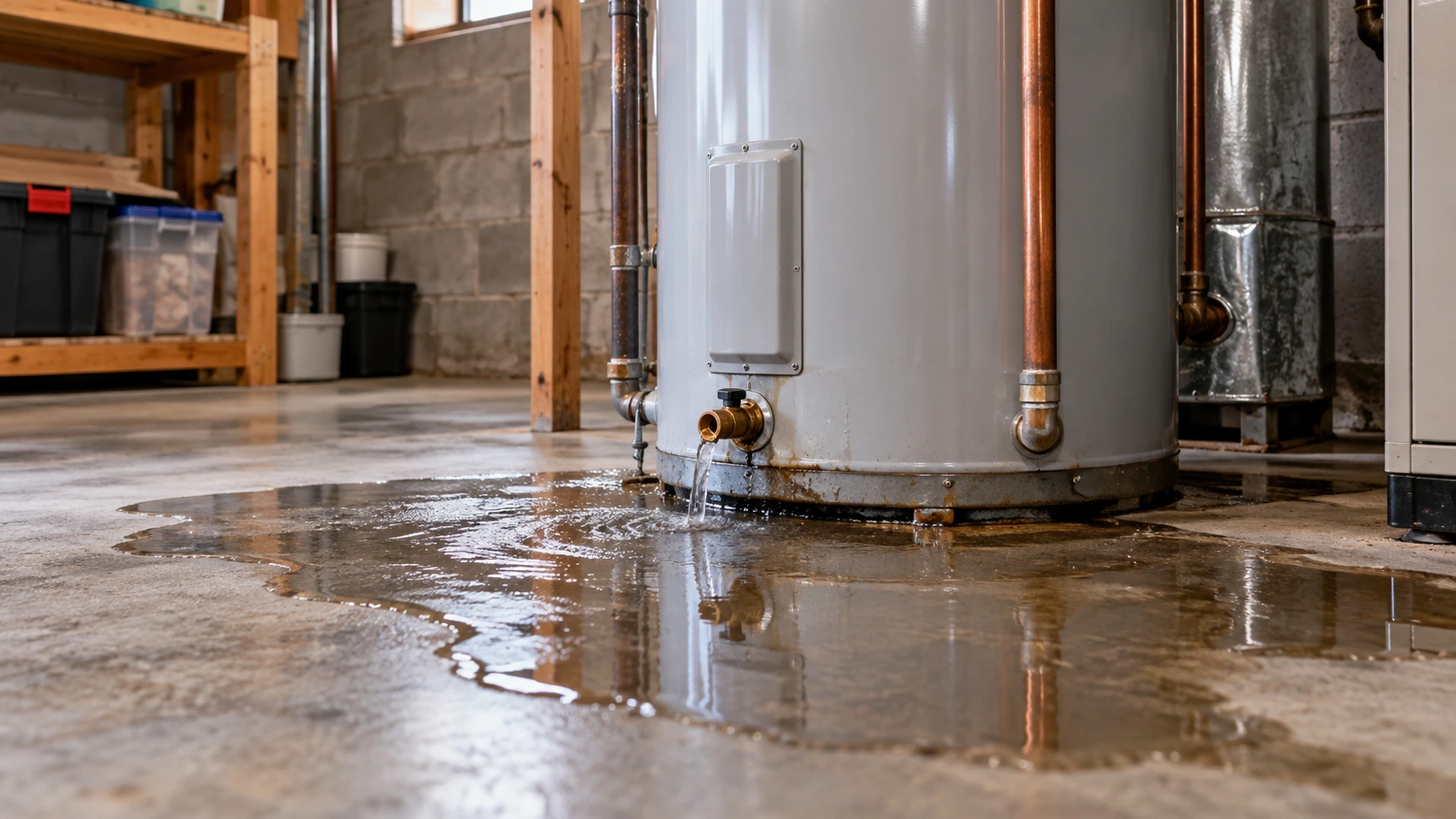
Small amounts of water deserve attention even if the heater still produces hot water normally. Water heater problems often begin before the appliance stops working completely.
If water is appearing around the unit or the source is unclear, a professional water heater repair can determine whether the issue involves the heater itself or the plumbing connected to it.
Do not ignore significant leaking around a water heater simply because hot water is still available.
Outdoor Water Use Can Raise a Bill Faster Than Expected
Not every high water bill comes from damaged plumbing.
Outdoor water use can change dramatically from one billing period to another.
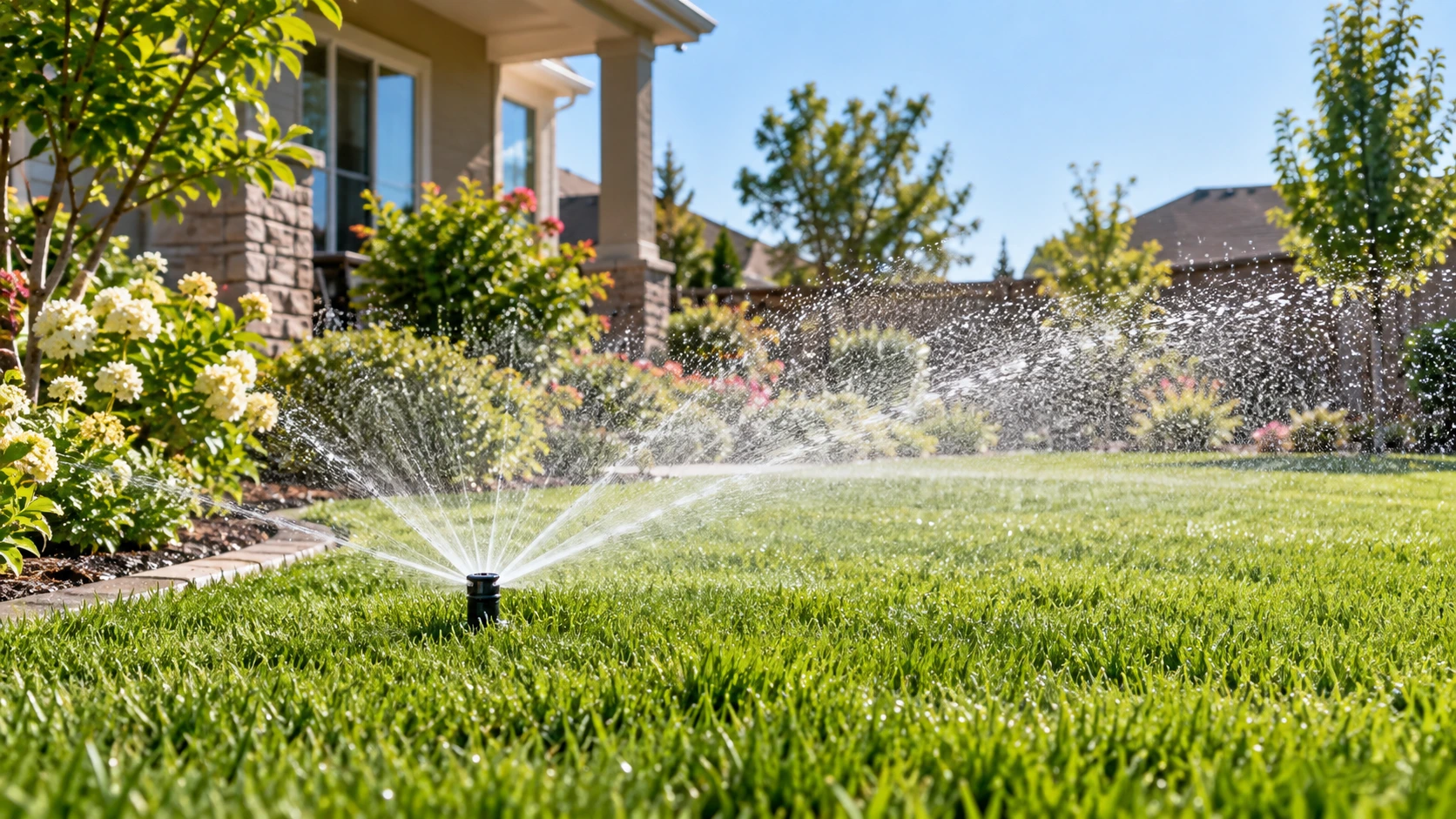
Common examples include:
- Lawn watering
- Irrigation systems
- Filling or topping off pools
- Washing vehicles
- Pressure washing
- Garden watering
- Outdoor faucets left partially open
- Hose connections that leak after use
Irrigation systems deserve special attention because a broken sprinkler head or underground irrigation leak may continue wasting water without being noticed from inside the house.
Check outdoor faucets after hoses are disconnected. Look for dripping connections, wet soil, damaged sprinkler components, or areas of landscaping that remain unusually saturated.
Seasonal changes also matter. A household may genuinely use much more water during a hot, dry period without changing its indoor routine at all.
When reviewing a high bill, compare it with the same season from previous years if that information is available rather than only comparing it with the previous month.
Appliances and Everyday Habits May Explain Part of the Increase
Plumbing leaks are important to investigate, but normal water use should not be overlooked.
Think about anything that changed during the billing period.
Perhaps more people were staying in the home. Maybe laundry was done more frequently. A dishwasher may have been run more often, or landscaping required additional watering.
Appliances can also develop problems.
Washing machines, dishwashers, refrigerators with water connections, humidification systems, and other equipment may contain supply lines or valves that leak.
Inspect the area behind and beneath appliances when it can be done safely. Look for moisture, staining, damaged hoses, or signs that water has been reaching surrounding surfaces.
The goal is not to assume that every high bill means something has failed. Instead, compare normal water use with what the meter is showing and eliminate possible causes one by one.
How to Check for the Cause Before Calling a Plumber
A simple inspection can provide useful information before scheduling service.
1. Review the Bill
Compare the current bill with previous ones.
Check:
- Billing period length
- Meter readings
- Total water usage
- Estimated versus actual readings
- Recent changes in household occupancy or habits
If the amount increased because the billing period was longer or a previous estimate was corrected, the plumbing system may not be responsible.
2. Test the Meter
Turn off every known water source and see whether the meter continues recording usage.
Movement while everything is off is a strong reason to continue looking for a leak.
3. Inspect Toilets
Listen for toilets that refill unexpectedly.
Check tank components and look for water around the supply line and base.
4. Check Faucets and Cabinets
Inspect kitchens, bathrooms, utility rooms, basements, and other areas containing plumbing.
Look beneath sinks and around shutoff valves.
5. Inspect the Water Heater
Look for water around the tank and visible plumbing connections.
6. Check Outside
Inspect hose connections, outdoor faucets, irrigation equipment, and unusually wet areas around the property.
These steps may reveal a simple issue. If the meter shows continuing consumption but you cannot locate the source, a plumber can investigate areas that are difficult to inspect without proper equipment.
When Does a High Water Bill Need Immediate Attention?
A high bill by itself is usually a reason to investigate, not a plumbing emergency.
The situation becomes more urgent when there are signs of active water damage or substantial uncontrolled leakage.
Seek help promptly if you notice:
- Water flowing from a damaged pipe
- Rapidly spreading water inside the home
- A ceiling or wall becoming saturated
- Significant water around electrical equipment
- A water heater releasing a large amount of water
- A supply line that cannot be shut off
- Major meter activity while all fixtures are off
When water is escaping quickly and cannot be safely controlled, emergency plumbing service may be appropriate.
If you know where the main water shutoff is located and it can be operated safely, shutting off the water may limit additional damage until the plumbing problem can be inspected.
Smaller unexplained increases still deserve investigation, but they generally allow more time for methodical troubleshooting.
How a Plumber Tracks Down Unexplained Water Use
When basic checks do not reveal the problem, the next step is narrowing down which part of the plumbing system is using or losing water.
A plumber may begin by reviewing the symptoms and checking visible fixtures, supply connections, toilets, valves, appliances, the water heater, and exposed piping.
Meter behavior can provide additional clues.
The location of the suspected leak matters because different problems require different approaches. A dripping faucet is very different from a leaking underground water line or a pipe concealed behind finished walls.
The goal is to identify the source before deciding on a repair.
That helps avoid unnecessary work and keeps the repair focused on the actual plumbing problem.
Foukas Plumbing & Heating provides plumbing services for household plumbing concerns ranging from fixture problems to leaks and water line issues.
Preventing Another Surprise on Your Water Bill
You cannot prevent every plumbing problem, but paying attention to normal water use makes unusual changes easier to recognize.
Review your water bills periodically rather than looking only at the total amount due. Knowing your household’s typical usage makes sudden changes more noticeable.
It also helps to check areas that are easy to forget.
Look under sinks occasionally. Listen for toilets that run between flushes. Inspect the water heater area. Watch outdoor faucets and irrigation equipment. Pay attention to unexplained moisture or sounds of running water.
Small plumbing issues are usually easier to investigate when they are noticed early.
If your water bill has increased unexpectedly and the cause is still unclear after checking normal household use, Foukas Plumbing & Heating can inspect the plumbing system and help identify where the extra water may be going. You can contact Foukas Plumbing & Heating to discuss the problem and arrange an inspection.